Crime Scene Cleaning Services in Canada
Professional Biohazard Remediation
Specialist Hygiene Services
Phone: +1 226 741 8844
Email: hello@specialisthygiene.ca
Crime scenes are among the most sensitive and hazardous environments that can exist in residential, commercial, and public spaces. Beyond the emotional trauma, they present serious biological and chemical risks that require professional handling, strict regulatory compliance, and compassionate support for those affected.
Trusted Crime Scene Cleaning Services in Canada.
In Canada, crime scene cleaning is not simply a cleaning task — it is a specialised biohazard remediation process governed by health and safety regulations, environmental laws, and professional standards. It demands technical expertise, advanced equipment, certified technicians, and an approach rooted in discretion and empathy.
Specialist Hygiene Services provides 24/7 crime scene cleaning across Canada, delivering rapid response, professional remediation, and respectful care during some of the most difficult moments individuals, families, businesses, and communities may face.
This comprehensive guide explains what crime scene cleaning involves, why professional intervention is essential, how the process works, and how Specialist Hygiene Services supports Canadians with safe, compliant, and compassionate biohazard remediation.
Understanding Crime Scene Cleaning
Crime scene cleaning, often referred to as biohazard remediation, involves the removal, disinfection, and safe disposal of biological contaminants following a criminal incident.
These contaminants may include:
Blood and bodily fluids
Tissue and biological matter
Fingerprint powder and chemical residues
Tear gas residue
Biohazardous waste
Odour-causing compounds
Contaminated furniture and building materials
These substances can carry pathogens such as:
Hepatitis B and C
HIV
MRSA
C. difficile
Other bloodborne pathogens
Without proper training and equipment, exposure can pose serious health risks.
Why Crime Scene Cleaning Must Be Handled by Professionals
Many people assume that once law enforcement has completed their investigation, a property is safe to enter and clean. This is not the case.
Police and forensic teams are responsible for evidence collection — not decontamination.
After they leave, the responsibility for cleaning typically falls to the property owner, landlord, business operator, or family.
Attempting to clean a crime scene without professional support can:
Expose individuals to infectious diseases
Cause cross-contamination
Violate biohazard disposal laws
Damage property further
Result in long-term odour and health issues
Professional crime scene cleaning ensures:
Full decontamination
Legal compliance
Safe waste disposal
Restoration of habitable conditions
Emotional relief for those affected
When Crime Scene Cleaning Is Required
Specialist Hygiene Services responds to a wide range of situations, including:
Homicides
Assaults involving bloodshed
Suicides
Unattended deaths with criminal investigation
Domestic incidents
Police incidents in residential or commercial spaces
Forensic chemical contamination (e.g., fingerprint powders, tear gas)
Drug-related crime scenes
Trauma incidents in public places
Each situation requires a tailored remediation strategy.
The Emotional Reality Behind Crime Scenes
Crime scene cleaning is not just technical — it is deeply human.
Families and individuals affected by violent or traumatic events are often:
Grieving
Shocked
Overwhelmed
Uncertain about what to do next
Expecting them to clean the environment themselves is both unsafe and emotionally damaging.
Specialist Hygiene Services provides discreet, compassionate support, allowing families to focus on healing while professionals restore the property safely.
Our 24/7 Rapid Response Across Canada
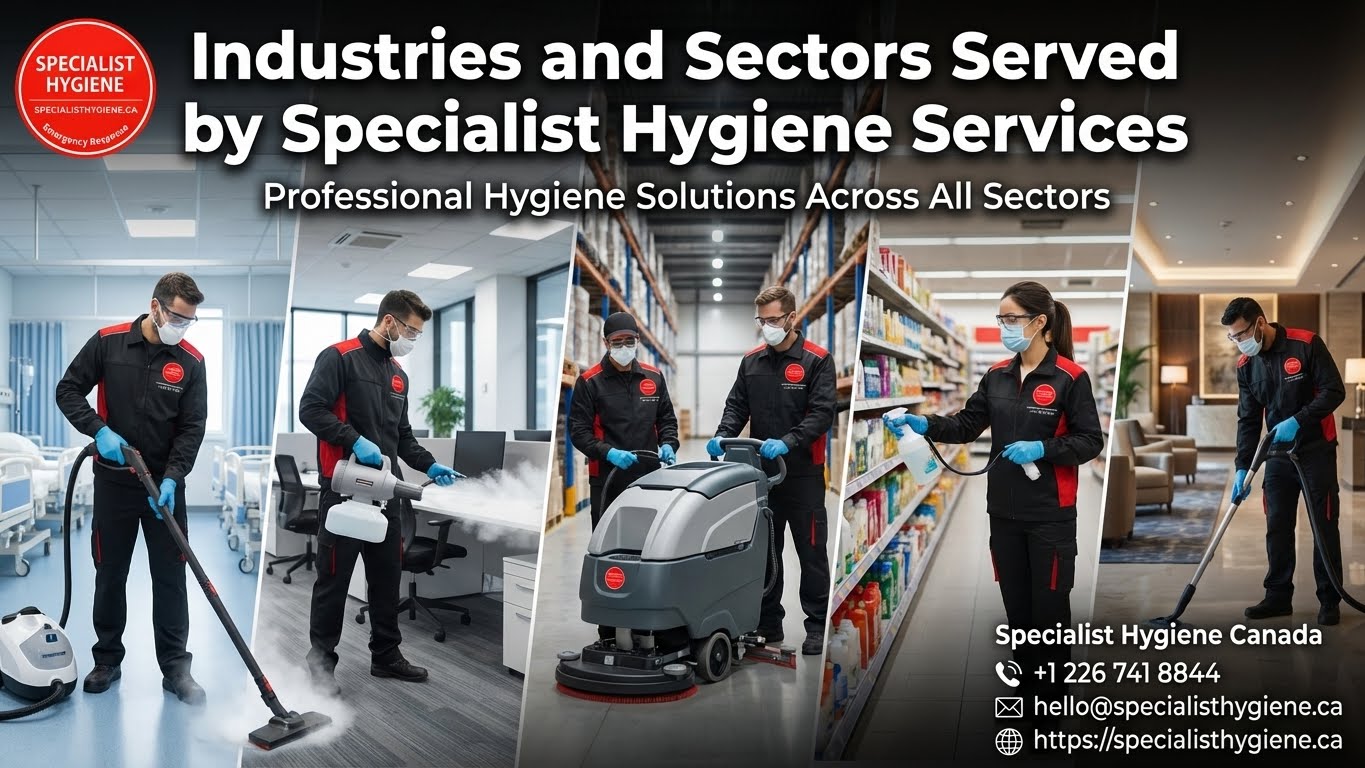
Crime scenes require immediate attention to:
Prevent biological degradation
Reduce odour development
Minimise structural damage
Protect health and safety
Specialist Hygiene Services operates 24 hours a day, 7 days a week, 365 days a year, with rapid deployment across:
Ontario
Quebec
British Columbia
Alberta
Manitoba
Saskatchewan
Nova Scotia
New Brunswick
Prince Edward Island
Newfoundland and Labrador
Yukon
Northwest Territories
Nunavut
Our national coverage ensures that help is always available when it is needed most.
Our Crime Scene Cleaning Process

Every crime scene is unique, but our methodology follows strict professional protocols.
1. Initial Assessment
Our technicians conduct a detailed risk assessment to:
Identify biohazards
Determine contamination spread
Evaluate structural impact
Develop a remediation plan
This ensures a safe and efficient cleaning strategy.
2. Containment and Safety Setup
We establish controlled work zones using:
Biohazard barriers
Negative air pressure systems
HEPA filtration units
This prevents cross-contamination to unaffected areas.
3. Removal of Biohazardous Materials
All contaminated materials are safely removed, including:
Carpets
Mattresses
Upholstery
Drywall
Flooring
Porous building materials
Non-salvageable items are disposed of in accordance with Canadian biohazard regulations.
4. Deep Cleaning and Disinfection
We apply hospital-grade disinfectants using:
Electrostatic sprayers
Fogging systems
Manual deep cleaning techniques
This eliminates pathogens at a microscopic level.
5. Odour Neutralisation
Crime scenes often produce persistent odours due to biological decomposition.
We use:
Ozone treatment
Hydroxyl generators
Enzymatic cleaners
to permanently remove odours rather than masking them.
6. Final Verification and Clearance
Before completion, we perform:
ATP testing (where required)
Visual inspection
Air quality assessment
to ensure the property is safe for reoccupation.
Health and Safety Compliance in Canada
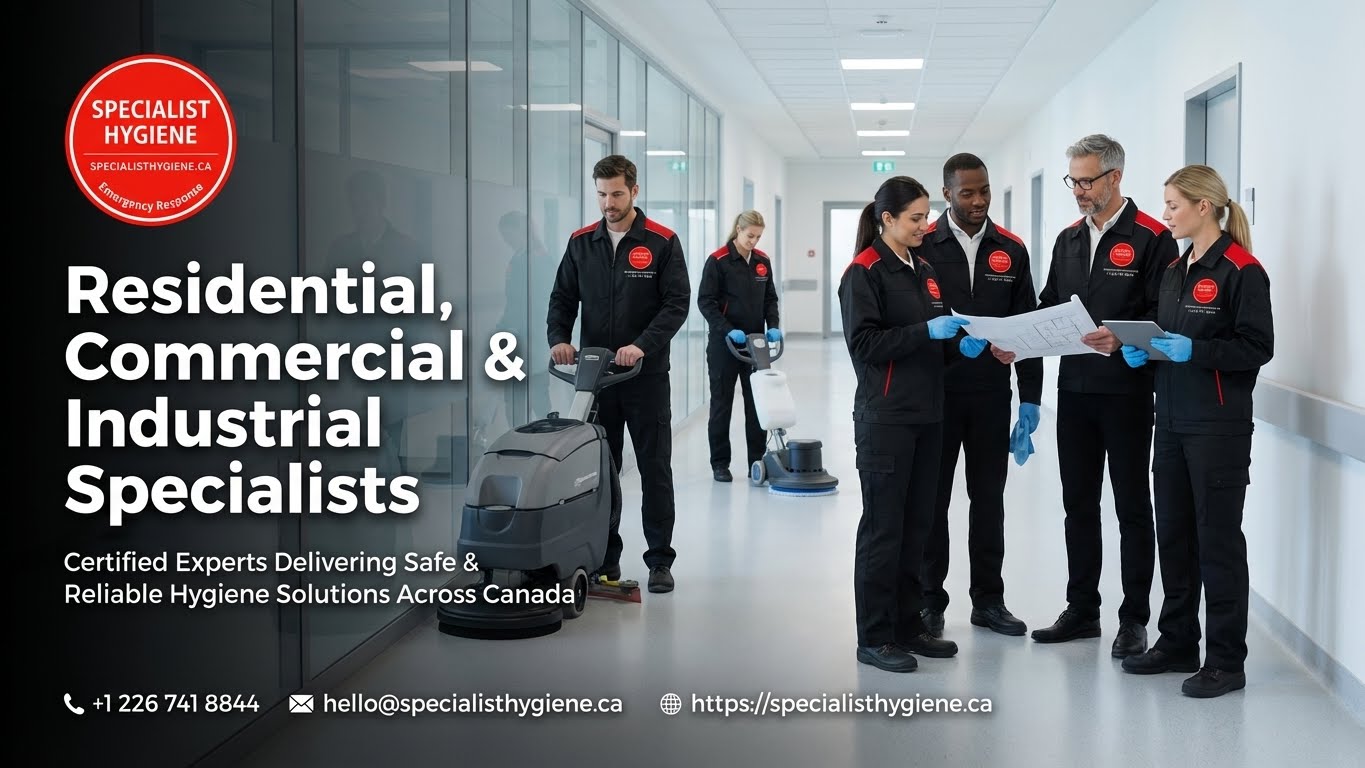
Specialist Hygiene Services strictly follows:
Canadian Occupational Health and Safety regulations
Provincial biohazard handling laws
Environmental protection guidelines
Transport of Dangerous Goods (TDG) regulations
All waste is transported and disposed of at licensed facilities.
Discretion and Confidentiality
Crime scenes are sensitive. Our teams operate with:
Unmarked vehicles (where requested)
Confidential communication
Respectful conduct
Minimal disruption to neighbours and communities
Privacy is always protected.
Supporting Families and Property Owners
Beyond cleaning, we assist with:
Insurance documentation
Liaison with property managers
Safe item recovery where possible
Guidance on next steps
Our goal is to reduce stress during an already difficult time.
Crime Scene Cleaning for Businesses
Commercial properties affected by crime require rapid remediation to:
Protect staff and customers
Comply with health regulations
Reopen quickly
Protect brand reputation
We work with:
Hotels
Retail stores
Offices
Warehouses
Restaurants
Public facilities
to restore safe operations.
Why Choose Specialist Hygiene Services in Canada

24/7 national coverage
Rapid emergency response
Certified biohazard technicians
Advanced decontamination technology
Compassionate, discreet service
Full regulatory compliance
Insurance support
Safe biohazard disposal
We are committed to protecting both public health and human dignity.
Contact Specialist Hygiene Services
If you require professional crime scene cleaning anywhere in Canada, contact:
Specialist Hygiene Services
+1 226 741 8844
hello@specialisthygiene.ca
Available 24/7 for immediate assistance.
Legal Responsibilities After a Crime Scene in Canada
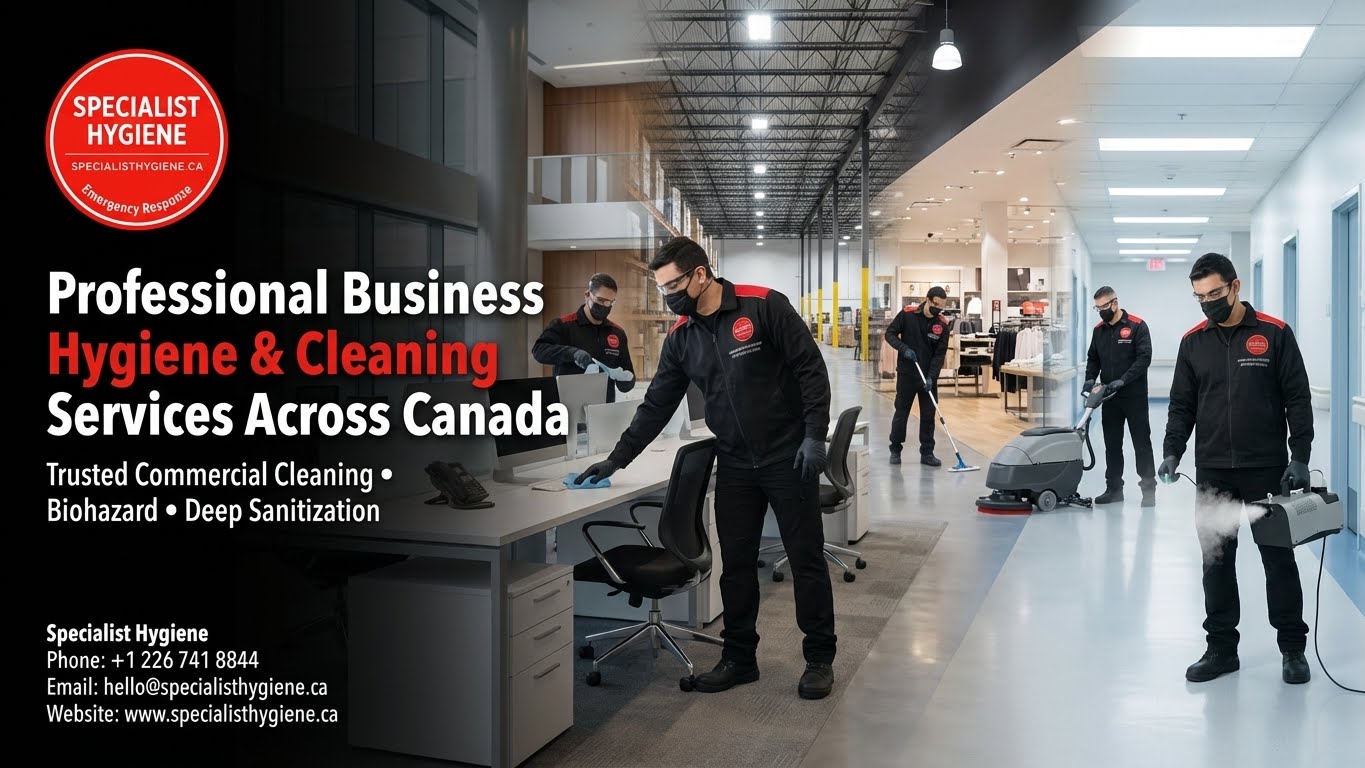
In Canada, once law enforcement and forensic investigators have completed their work, the responsibility for cleaning and restoring the property does not fall to the police or the municipality. It typically becomes the legal responsibility of:
The property owner
The landlord
The business operator
The estate representative
The next of kin in certain circumstances
This is often unexpected and can place a significant emotional and logistical burden on those affected. Crime scene cleaning is not covered by standard municipal services, and attempting to manage it without professional support can result in legal, environmental, and health violations.
Canadian regulations governing biohazard handling require that:
Hazardous biological waste is collected and transported by licensed professionals
Disposal takes place at approved facilities
Workers handling biohazards are properly trained and protected
Contaminated materials are documented and tracked
Failure to comply with these regulations can lead to fines, liability issues, and environmental penalties.
Specialist Hygiene Services ensures full compliance with all federal and provincial requirements, removing the legal burden from families, landlords, and businesses.
Provincial Regulatory Considerations
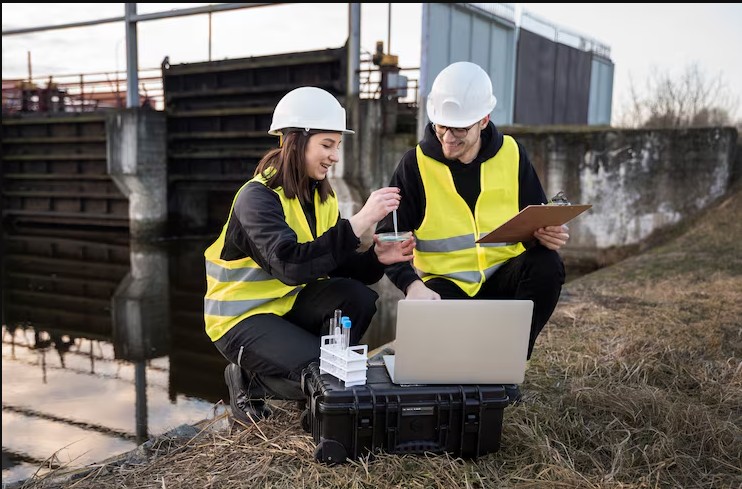
Each province and territory in Canada has specific health and safety legislation that applies to biohazard remediation. While the core principles are similar, local requirements may vary in areas such as waste transport, worker safety, and environmental disposal.
For example:
Ontario follows strict Occupational Health and Safety Act requirements and Ministry of the Environment guidelines for biohazard waste.
British Columbia enforces WorkSafeBC regulations for worker protection and hazardous material handling.
Alberta requires adherence to Occupational Health and Safety Codes and environmental waste disposal standards.
Quebec includes additional language and documentation requirements for compliance and reporting.
Specialist Hygiene Services operates with province-specific protocols, ensuring that every project meets local legal standards.
Insurance Coverage for Crime Scene Cleaning
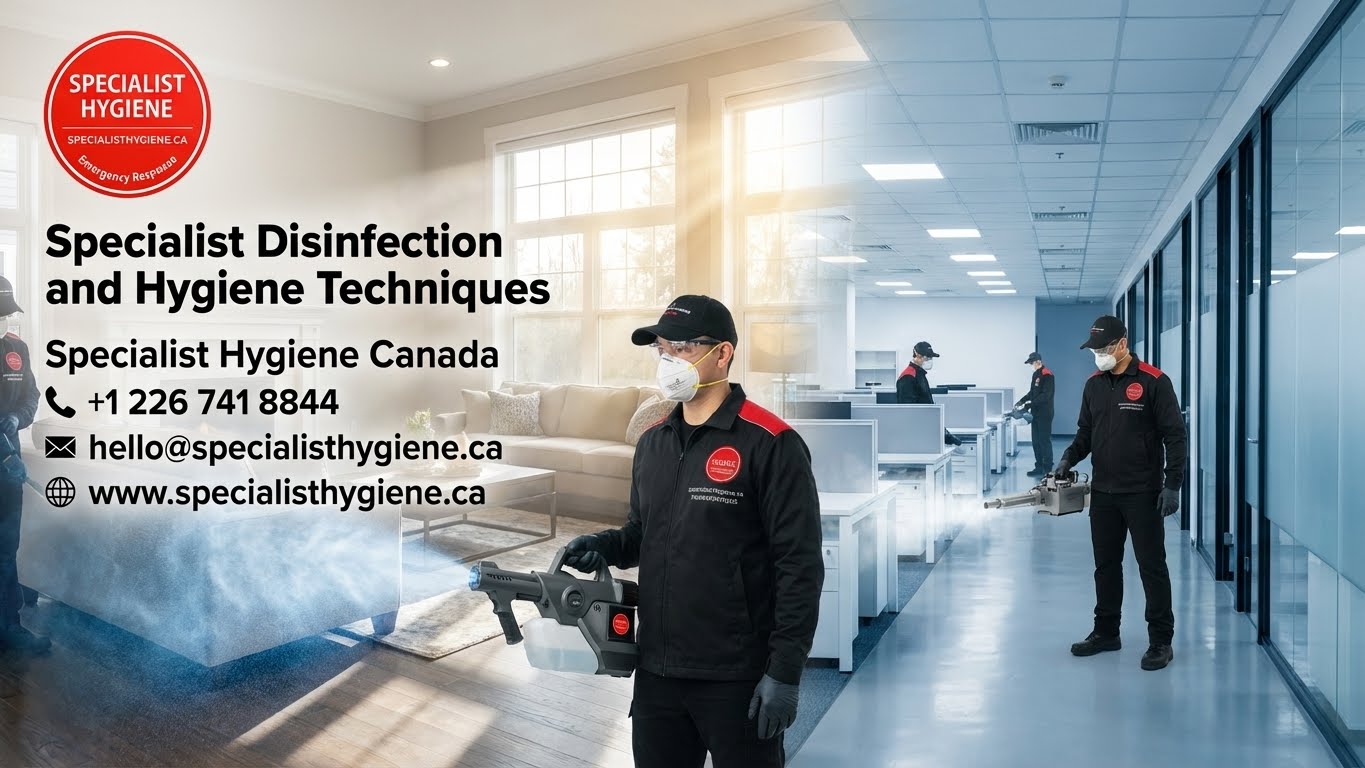
One of the most common questions families and property owners ask is whether crime scene cleaning is covered by insurance.
In many cases, homeowner insurance, landlord insurance, and commercial property policies may include coverage for biohazard remediation under sections related to:
Sudden and accidental damage
Vandalism or criminal activity
Property contamination
However, coverage varies by policy and provider.
Specialist Hygiene Services assists clients by:
Providing detailed remediation reports
Documenting contamination levels
Supplying itemised invoices
Communicating with insurance adjusters
This helps streamline the claims process and reduces financial stress for clients.
The Science of Biohazard Decontamination
Crime scene cleaning is based on microbiological and chemical remediation principles.
Blood and bodily fluids can penetrate porous materials such as:
Wood
Drywall
Carpet underlay
Upholstery
Subflooring
Pathogens may remain active beneath the surface even when the area appears visually clean.
Professional remediation involves:
Identifying all contaminated zones, including hidden areas
Removing porous materials that cannot be safely disinfected
Applying hospital-grade disinfectants with proven efficacy against bloodborne pathogens
Allowing appropriate dwell times for chemical effectiveness
Verifying decontamination through inspection and testing where required
This scientific approach ensures that the property is genuinely safe, not just visually restored.
Airborne Contamination and Odour Control
Crime scenes can also result in airborne contamination, particularly in cases involving decomposition or large volumes of biological material.
Air quality risks include:
Aerosolised pathogens
Volatile organic compounds
Persistent odour molecules
Specialist Hygiene Services uses:
HEPA-filtered negative air machines
Ozone and hydroxyl generators
Advanced ventilation control methods
to restore safe indoor air quality.
This is essential for protecting future occupants of the property.
Structural Impact of Crime Scene Contamination
Biological contamination can affect building structures, not just surfaces.
For example:
Blood can seep through flooring into subfloors and structural joists.
Decomposition fluids can penetrate concrete and require specialised treatment.
Moisture from biological material can lead to mould growth if not addressed quickly.
Professional remediation includes structural assessment and, where necessary, removal of affected building components.
This prevents long-term health risks and costly future repairs.
Crime Scene Cleaning in Residential Properties

Residential crime scenes require a particularly sensitive approach.
Families are often dealing with grief and trauma, and the property may hold significant emotional value, therefore you require time served trauma cleaning company in Canada to carryout sensitive cleanup of the premises.
Specialist Hygiene Services works discreetly to:
Protect personal belongings where possible
Restore living spaces to safe condition
Maintain confidentiality
Minimise disruption to neighbours
Our goal is to allow families to return to a safe home environment without being exposed to the physical reminders of the incident.
Crime Scene Cleaning in Rental Properties
Landlords and property managers face unique challenges after a crime scene incident.
They must:
Ensure the property is safe for future tenants
Meet legal disclosure requirements where applicable
Avoid liability related to health risks
Restore the unit quickly to minimise financial loss
Professional remediation provides documented proof that the property has been decontaminated in accordance with health standards.
This protects both landlords and future occupants.
Crime Scene Cleaning in Commercial and Public Spaces
Crime scenes in commercial settings can have serious reputational and operational consequences.
Affected locations may include:
Retail stores
Office buildings
Hotels
Restaurants
Transit facilities
Educational institutions
Rapid, discreet remediation allows businesses to reopen quickly while ensuring staff and customer safety.
Specialist Hygiene Services works outside business hours where possible to minimise disruption.
Handling Fingerprint Powder and Chemical Residues
Forensic investigations often leave behind chemical residues such as fingerprint powder and tear gas.
These substances can:
Spread easily through HVAC systems
Damage electronics and fabrics
Pose respiratory risks
Specialist Hygiene technicians are trained in the safe removal of forensic chemicals without causing additional contamination.
Drug-Related Crime Scene Cleaning
Drug-related incidents can involve hazardous substances such as:
Fentanyl residues
Methamphetamine contamination
Chemical precursors
These materials require specialised handling and personal protective equipment.
Improper cleaning can result in severe health risks, including accidental exposure.
Professional remediation ensures safe decontamination and lawful disposal.
Hoarding and Crime Scene Overlap
In some cases, crime scenes occur in properties affected by hoarding conditions.
This creates additional risks, including:
Structural instability
Hidden contamination zones
Pest infestations
Fire hazards
Specialist Hygiene Services integrates biohazard remediation with hoarding cleanup protocols to ensure comprehensive restoration.
Training and Certification of Technicians
All Specialist Hygiene technicians undergo extensive training, including:
Bloodborne pathogen handling
Biohazard waste management
Respiratory protection
Chemical safety
Trauma-informed communication
Provincial regulatory compliance
Continuous training ensures adherence to evolving health and safety standards.
Personal Protective Equipment and Safety Protocols
Technicians use full PPE, including:
Protective suits
Respirators
Face shields
Chemical-resistant gloves
Protective footwear
Strict entry and exit procedures prevent cross-contamination.
All equipment is decontaminated after each job.
Documentation and Quality Assurance
Every project includes detailed documentation covering:
Scope of contamination
Remediation methods used
Waste disposal records
Completion verification
This provides clients with peace of mind and supports insurance and legal requirements.
Ethical and Compassionate Service Delivery
Crime scene cleaning requires sensitivity and professionalism.
Specialist Hygiene Services trains staff to:
Communicate respectfully with families
Maintain discretion at all times
Avoid unnecessary exposure of the scene
Provide clear guidance without pressure
This human-centred approach is central to our service model.
Contact Specialist Hygiene Services
For professional crime scene cleaning services anywhere in Canada, contact:
Specialist Hygiene Services
Phone: +1 226 741 8844
Email: hello@specialisthygiene.ca
Available 24 hours a day, 7 days a week.
Cost Factors for Crime Scene Cleaning in Canada
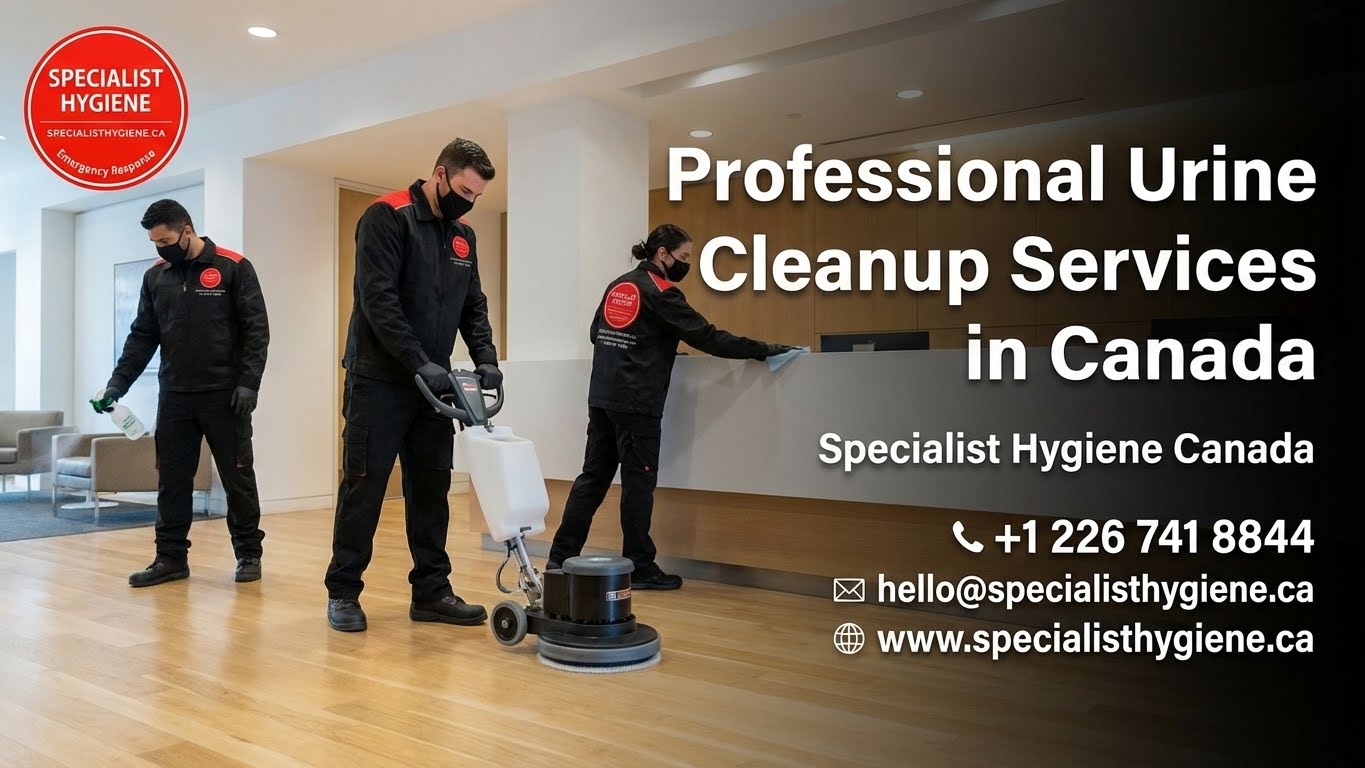
Crime scene cleaning is a specialised service, and the cost varies depending on multiple factors. Unlike standard cleaning, biohazard remediation requires certified technicians, specialised equipment, regulated waste disposal, and strict safety protocols.
Key cost factors include:
Extent of Contamination
The size of the affected area and the amount of biological material present directly influence the scope of work. A small contained area requires less time and fewer materials than a multi-room or structurally affected site.
Type of Biohazard
Different contaminants require different remediation methods. Bloodborne pathogens, decomposition fluids, chemical residues, and drug-related contamination each involve distinct procedures and safety measures.
Porous Material Removal
If contamination has penetrated carpets, drywall, flooring, or furniture, those materials must be removed and disposed of as biohazard waste. Structural involvement increases labour and disposal costs.
Time on Site
Some projects can be completed within hours, while others require multiple days due to the need for deep structural remediation and odour neutralisation.
Location
Remote areas may involve additional logistics, though Specialist Hygiene Services’ national coverage helps reduce travel-related delays.
Disposal Requirements
Biohazard waste must be transported and processed at licensed facilities in accordance with Canadian regulations, which contributes to overall project costs.
Specialist Hygiene Services provides transparent assessments and works with insurance providers where applicable to minimise financial stress for clients.
How Long Does Crime Scene Cleaning Take?
The timeline for crime scene remediation depends on the complexity of the incident.
Small Contained Incidents
These may be completed within several hours once the area has been assessed and contained.
Moderate Contamination
Incidents involving multiple surfaces or rooms typically require a full day of work, including cleaning, disinfection, and odour treatment.
Severe or Structural Contamination
Cases involving decomposition, large volumes of biological material, or structural penetration may require several days, particularly if building materials must be removed and replaced.
Specialist Hygiene Services provides realistic timelines during the initial assessment and keeps clients informed throughout the process.
Odour Removal and Long-Term Air Quality
Odour is one of the most persistent challenges in crime scene remediation. Biological decomposition produces volatile organic compounds that can penetrate:
Subflooring
Wall cavities
HVAC systems
Upholstered furniture
Standard cleaning methods cannot eliminate these odours.
Professional odour neutralisation involves:
Ozone treatment to break down odour molecules
Hydroxyl generators for occupied spaces
Enzymatic cleaners to digest biological residues
Air filtration systems to restore indoor air quality
This ensures that the property is not only visually clean but also safe and comfortable to occupy.
Crime Scene Cleaning and Public Health
Crime scene remediation plays an important role in protecting public health.
Untreated biological contamination can lead to:
Disease transmission
Pest infestations
Mould growth
Indoor air quality issues
Professional cleaning prevents secondary health risks for:
Future occupants
Neighbours in multi-unit buildings
Employees and customers in commercial spaces
By removing pathogens and safely disposing of biohazardous materials, Specialist Hygiene Services contributes to safer communities.
Working with Law Enforcement and Coroners
Specialist Hygiene Services begins work only after receiving formal clearance from law enforcement or the appropriate authority.
This ensures that:
Evidence is not disturbed
Legal processes are respected
The remediation process does not interfere with investigations
Technicians are trained to recognise situations where additional clearance may be required.
Case Scenario: Residential Incident
A residential property experiences a violent incident resulting in biological contamination in a bedroom and hallway.
Steps taken:
Area assessment and containment
Removal of contaminated flooring and drywall sections
Deep cleaning and disinfection of all affected surfaces
Odour neutralisation using ozone treatment
Air filtration to restore indoor air quality
Final inspection and documentation
Outcome: The home is restored to a safe condition, allowing the family to reoccupy the space without health risks.
Case Scenario: Commercial Property
A retail store experiences a traumatic incident in a staff area.
Steps taken:
Discreet after-hours response
Containment of affected zone
Removal of contaminated materials
Hospital-grade disinfection
Waste disposal in accordance with regulations
Reopening clearance provided
Outcome: The business resumes operations with minimal disruption and documented proof of safe remediation.
Crime Scene Cleaning and Property Value
Untreated biohazard contamination can significantly reduce property value and make a space uninhabitable.
Professional remediation:
Restores safe living conditions
Provides documentation for buyers or tenants
Prevents long-term structural damage
Supports insurance and legal disclosures
This protects both financial and legal interests.
Discreet Operations in Sensitive Environments
Specialist Hygiene Services understands the importance of privacy.
Measures include:
Unmarked vehicles when requested
Flexible scheduling
Minimal visible equipment in public areas
Confidential communication protocols
This is particularly important in residential neighbourhoods and commercial settings.
Supporting Indigenous and Remote Communities
Access to specialist hygiene services in remote regions has historically been limited.
Specialist Hygiene Services is expanding coverage to ensure that northern and Indigenous communities have access to professional biohazard remediation that meets national safety standards.
This supports equitable access to essential services across Canada.
Preventing Cross-Contamination
Improper cleaning can spread contamination to previously unaffected areas.
Professional protocols include:
Controlled entry and exit points
Dedicated equipment for each zone
Decontamination of tools and PPE
Safe packaging and transport of waste
These measures ensure complete containment.
The Role of Advanced Detection Tools
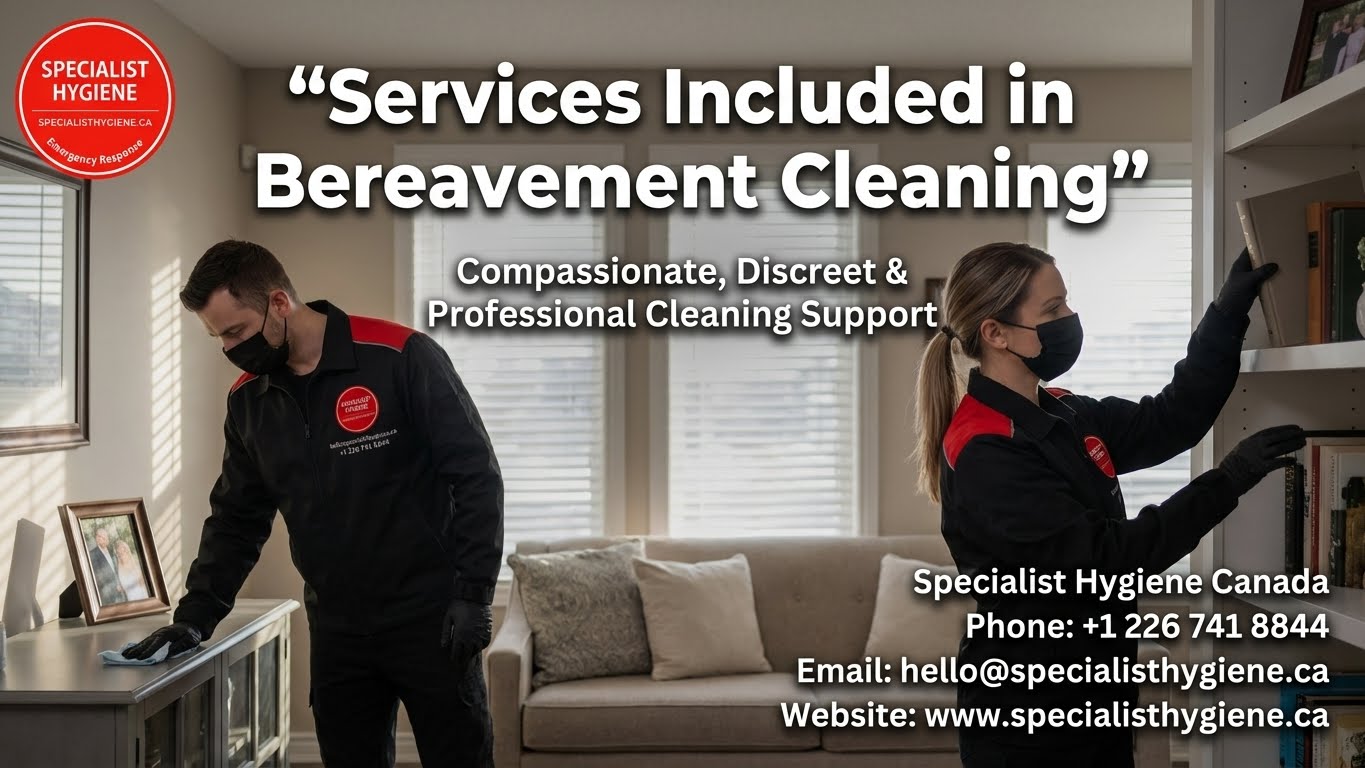
Not all contamination is visible.
Specialist Hygiene uses advanced detection methods to identify hidden biological material, including:
Moisture detection tools
ATP testing where required
Detailed visual and structural inspections
This ensures comprehensive remediation.
Communication with Clients
Clear communication is essential during emotionally difficult situations.
Specialist Hygiene Services provides:
Step-by-step explanations of the process
Realistic timelines
Documentation for insurance and legal purposes
Guidance on next steps after remediation
This helps clients make informed decisions.
Industry Standards and Best Practices
Specialist Hygiene follows recognised industry standards for biohazard remediation, including:
Use of hospital-grade disinfectants
Proper dwell times for chemical effectiveness
Safe waste segregation and transport
Continuous training for technicians
This ensures consistent, high-quality results.
Environmental Considerations
Where possible, Specialist Hygiene uses environmentally responsible methods, including:
Controlled chemical usage
Proper waste segregation
Compliance with environmental regulations
Energy-efficient equipment
This protects both human health and the environment.
Preparing a Property for Reoccupation
Before a property is declared safe, Specialist Hygiene ensures:
All visible contamination has been removed
All affected materials have been properly disposed of
Surfaces have been disinfected
Odours have been neutralised
Air quality has been restored
This allows occupants to return with confidence.
Why Professional Documentation Matters
Documentation provided after remediation includes:
Description of work performed
Materials removed
Disposal records
Confirmation of disinfection
This is important for:
Insurance claims
Property sales or rentals
Legal compliance
Peace of mind for occupants
Contact Specialist Hygiene Services
For professional crime scene cleaning services across Canada:
Specialist Hygiene Services
Phone: +1 226 741 8844
Email: hello@specialisthygiene.ca
Available 24 hours a day, 7 days a week.
The Risks of Attempting Crime Scene Cleaning Without Professionals
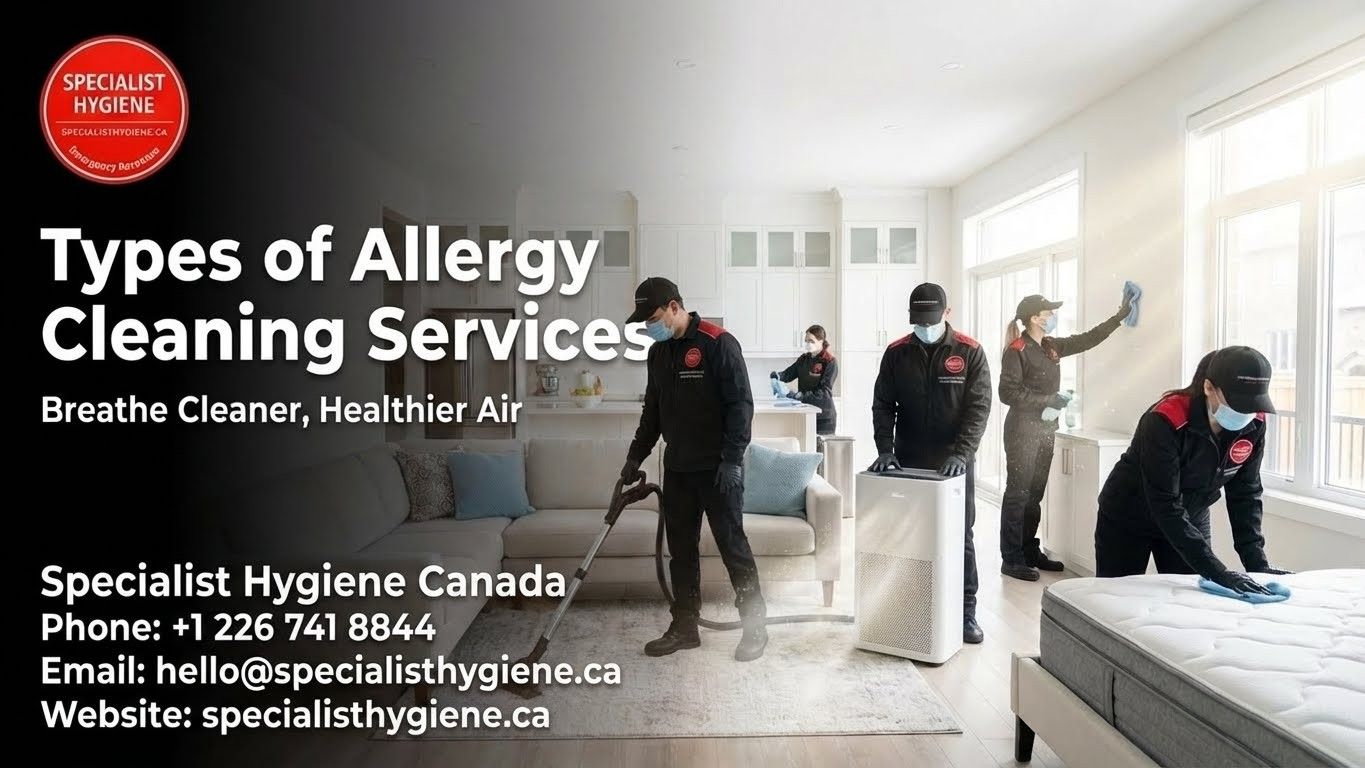
Attempting to clean a crime scene without professional training and equipment presents significant health, legal, and structural risks.
Exposure to Bloodborne Pathogens
Biological materials may contain infectious diseases such as hepatitis B, hepatitis C, and HIV. These pathogens can enter the body through:
Broken skin
Mucous membranes
Accidental contact during cleaning
Standard household cleaning products are not sufficient to neutralise these risks.
Incomplete Decontamination
Blood and bodily fluids often penetrate beneath visible surfaces. Cleaning only what can be seen leaves hidden contamination that may:
Continue to harbour bacteria
Produce persistent odours
Create long-term health hazards
Improper Waste Disposal
Canadian regulations require biohazard waste to be transported and disposed of through licensed facilities. Placing contaminated materials in regular garbage can result in environmental violations and legal consequences.
Emotional Trauma
For families and individuals, attempting to clean a traumatic scene can intensify grief and psychological distress. Professional remediation removes this burden and allows people to focus on recovery.
Emotional and Psychological Considerations
Crime scenes are associated with trauma, loss, and distress. Professional cleaning services play an important role in reducing psychological harm by:
Removing visual reminders of the incident
Restoring the space to a neutral and safe condition
Allowing families to avoid direct exposure to the scene
This process supports emotional healing and reduces the risk of long-term trauma.
Specialist Hygiene Services approaches every case with sensitivity, ensuring respectful communication and discretion throughout the process.
National Coverage and Rapid Deployment
Canada’s geographic scale presents unique challenges for emergency services. Specialist Hygiene Services has developed a national deployment model that includes:
Regional response hubs
Mobile biohazard units
Coordinated logistics planning
24/7 dispatch capability
This allows for rapid response in:
Major metropolitan areas
Suburban communities
Rural towns
Remote northern regions
Access to professional crime scene cleaning is no longer limited to large cities.
Crime Scene Cleaning in Multi-Unit Residential Buildings
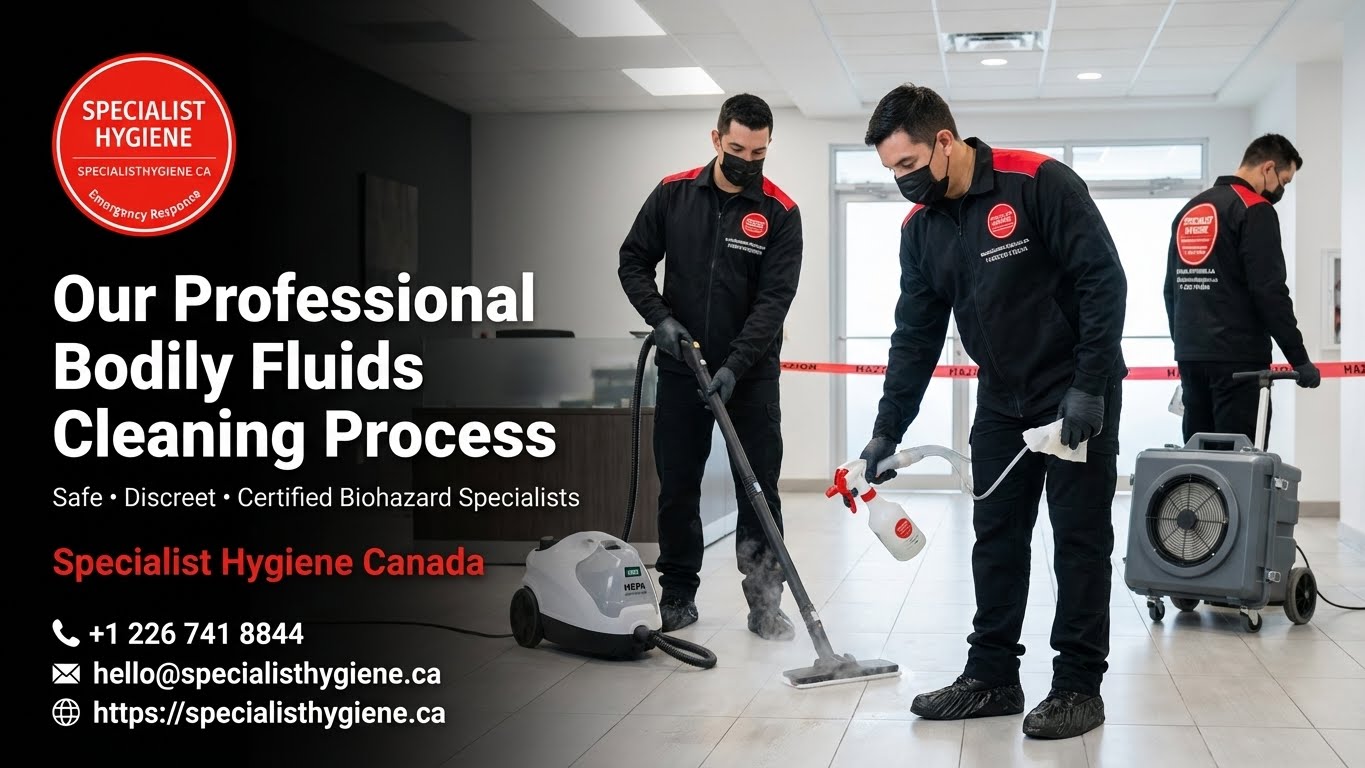
Incidents in apartment buildings and condominiums require additional precautions due to shared infrastructure.
Risks include:
Contamination of common hallways
HVAC system spread
Impact on neighbouring units
Specialist Hygiene implements containment protocols to protect unaffected areas and prevent cross-contamination within the building.
Handling Porous and Non-Porous Materials
Different materials require different remediation approaches.
Non-Porous Surfaces
Examples include tile, metal, and sealed countertops. These can typically be disinfected using hospital-grade solutions.
Porous Materials
Examples include:
Carpet
Drywall
Upholstery
Unsealed wood
These materials often require removal and disposal because they absorb biological contaminants.
Understanding material science is essential for effective remediation.
Biohazard Waste Transport and Disposal
All biohazardous materials are:
Segregated and packaged in approved containers
Labelled according to Transport of Dangerous Goods regulations
Transported by licensed carriers
Disposed of at authorised facilities
This ensures compliance with Canadian environmental and public health laws.
Crime Scene Cleaning in Public Spaces
Public locations such as transit systems, parks, and government buildings require rapid remediation to protect public health and maintain operations.
Specialist Hygiene Services works with municipal authorities and facility managers to:
Secure affected areas
Perform decontamination
Reopen spaces safely
This minimises disruption to the public.
The Role of Odour Neutralisation in Restoration
Odours associated with biological incidents can persist long after visible contamination is removed.
Professional odour control involves:
Identifying the source of the odour
Treating affected materials
Using advanced air purification systems
This ensures that the property is suitable for reoccupation.
Crime Scene Cleaning and Workplace Safety
Employers have a legal obligation to provide a safe workplace.
If an incident occurs on business premises, professional remediation is necessary to:
Meet occupational health and safety requirements
Protect employees from exposure
Demonstrate due diligence
Documentation from Specialist Hygiene supports compliance with workplace regulations.
Coordination with Property Managers and Landlords
Property managers often need to balance:
Legal obligations
Tenant safety
Privacy concerns
Rapid restoration
Specialist Hygiene provides structured communication and documentation to assist with these responsibilities.
Protecting Evidence During Cleaning
Cleaning begins only after official clearance is given by law enforcement. Technicians are trained to:
Recognise areas that may still be part of an investigation
Avoid disturbing potential evidence
Work within defined boundaries
This ensures that legal processes are respected.
Advanced Disinfection Methods
Specialist Hygiene uses scientifically validated disinfectants that are effective against:
Bloodborne pathogens
Bacteria
Viruses
Application methods include:
Electrostatic spraying for even coverage
Manual deep cleaning for high-contact areas
Fogging for large spaces
Proper dwell times are observed to ensure effectiveness.
Air Quality Restoration
Indoor air quality can be compromised after a crime scene incident.
Restoration involves:
HEPA filtration
Ventilation management
Removal of airborne particles
This is essential for making the space safe for occupants.
Crime Scene Cleaning in Healthcare Settings
Incidents in hospitals or care facilities require strict infection control protocols.
Specialist Hygiene works within healthcare environments to:
Follow facility-specific procedures
Use approved disinfectants
Maintain patient and staff safety
This ensures continuity of care.
Training in Trauma-Informed Service Delivery
Technicians are trained to interact with clients in a trauma-informed manner, which includes:
Respectful communication
Clear explanations of procedures
Avoiding unnecessary exposure to details of the incident
This approach supports emotional wellbeing.
The Importance of Rapid Response
Prompt remediation:
Reduces contamination spread
Minimises structural damage
Shortens property downtime
Supports faster emotional recovery
Specialist Hygiene’s 24/7 availability ensures timely intervention.
Quality Assurance and Final Clearance
Before a project is completed, a final inspection confirms that:
All contaminated materials have been removed
Surfaces have been disinfected
Odours have been neutralised
The property is safe for reoccupation
Clients receive documentation confirming completion.
Crime Scene Cleaning as a Public Health Service
Although provided by a private company, crime scene cleaning contributes to public health by:
Preventing disease transmission
Ensuring safe environments
Supporting community wellbeing
This role is particularly important in densely populated areas.
Long-Term Benefits of Professional Remediation
Professional cleaning:
Protects property value
Reduces liability risks
Ensures regulatory compliance
Provides peace of mind
It is an investment in safety and wellbeing.
Contact Specialist Hygiene Services
For professional crime scene cleaning services anywhere in Canada:
Specialist Hygiene Services
Phone: +1 226 741 8844
Email: hello@specialisthygiene.ca
Available 24 hours a day, 7 days a week.
Crime Scene Cleaning Compared to Standard Cleaning Services

It is important to understand that crime scene cleaning is fundamentally different from standard residential or commercial cleaning.
Standard cleaning services focus on visible dirt, dust, and surface sanitation. They do not:
Handle biohazardous materials
Use hospital-grade disinfection protocols
Remove contaminated structural materials
Comply with biohazard waste transport regulations
Provide infection control measures
Crime scene cleaning, by contrast, involves:
Hazard identification and risk assessment
Use of specialised personal protective equipment
Removal of biological contaminants at the molecular level
Safe packaging and disposal of biohazard waste
Air quality restoration
Documentation for legal and insurance purposes
Attempting to use a standard cleaning service for a crime scene creates significant health and legal risks.
SEO Service Section: Crime Scene Cleaning Across Canada
Specialist Hygiene Services provides professional crime scene cleaning throughout Canada, including:
Ontario
Quebec
British Columbia
Alberta
Manitoba
Saskatchewan
Nova Scotia
New Brunswick
Prince Edward Island
Newfoundland and Labrador
Yukon
Northwest Territories
Nunavut
Our national coverage ensures that individuals, businesses, and public institutions have access to certified biohazard remediation regardless of location.
Crime Scene Cleaning in Ontario
Ontario has the highest population density in Canada and a wide range of residential, commercial, and public environments.
Specialist Hygiene Services supports:
Urban centres such as Toronto, Ottawa, Hamilton, and London
Suburban communities across the Greater Toronto Area
Rural and northern regions
Our rapid response model ensures that properties are restored safely and in compliance with provincial health and safety regulations.
Crime Scene Cleaning in Quebec
In Quebec, services are delivered with bilingual communication and adherence to provincial regulatory requirements.
We work in:
Montreal
Quebec City
Laval
Gatineau
Sherbrooke
and surrounding regions, ensuring clear communication and professional remediation.
Crime Scene Cleaning in Western Canada
In British Columbia and Alberta, Specialist Hygiene Services provides biohazard remediation in both urban and remote locations.
Key service areas include:
Vancouver
Victoria
Calgary
Edmonton
Kelowna
Red Deer
Rapid deployment ensures minimal disruption to residential and commercial properties.
Crime Scene Cleaning in Atlantic Canada
Specialist Hygiene supports communities in:
Halifax
St. John’s
Moncton
Fredericton
Charlottetown
Access to professional biohazard cleaning in Atlantic Canada is essential for public health and property restoration.
Crime Scene Cleaning in Northern Canada
Northern and remote communities often face limited access to specialised services.
Specialist Hygiene is committed to expanding coverage in:
Yukon
Northwest Territories
Nunavut
to ensure equitable access to safe and compliant remediation.
Supporting Real Estate Transactions After a Crime Scene
Properties affected by crime scenes may require professional remediation before they can be sold or rented.
Professional cleaning:
Restores the property to a habitable condition
Provides documentation for disclosure requirements
Protects buyers and tenants
Supports property value recovery
Real estate professionals often rely on certified biohazard cleaning services before listing a property.
Crime Scene Cleaning and Property Restoration
While Specialist Hygiene focuses on biohazard remediation, our work often forms the first stage of property restoration.
After decontamination:
Contractors can safely begin repairs
Flooring and drywall can be replaced
Painting and refurbishment can proceed
Without proper remediation, restoration work would expose contractors to health risks.
Disinfection Standards and Dwell Time
Effective disinfection requires more than applying a cleaning solution.
Hospital-grade disinfectants must remain on surfaces for a specified dwell time to:
Break down pathogens
Neutralise biological material
Ensure full microbial kill rates
Technicians follow manufacturer guidelines and regulatory standards to achieve effective results.
Preventing Secondary Damage
Delayed or improper cleaning can lead to:
Structural deterioration
Mould growth
Persistent odours
Increased remediation costs
Rapid professional intervention prevents these long-term issues.
Workplace Incidents and Employer Responsibilities
When a crime or traumatic incident occurs in a workplace, employers must:
Protect employee health
Comply with occupational health and safety regulations
Ensure the environment is safe before reopening
Professional biohazard remediation demonstrates due diligence and regulatory compliance.
Privacy and Discretion in Commercial Settings
Businesses often require discreet operations to protect their reputation.
Specialist Hygiene provides:
Flexible scheduling
Minimal disruption to operations
Confidential service delivery
This allows businesses to recover without unnecessary public attention.
Documentation for Legal and Insurance Purposes
Each remediation project includes:
Scope of work
Materials removed
Disinfection methods used
Waste disposal records
Completion confirmation
This documentation is essential for insurance claims and legal compliance.
Crime Scene Cleaning in Hospitality and Tourism
Hotels and short-term rental properties must maintain strict health standards.
Professional remediation ensures:
Guest safety
Regulatory compliance
Protection of brand reputation
Rapid room turnaround
This is critical in high-occupancy environments.
Crime Scene Cleaning in Educational Facilities
Schools and universities must protect students and staff.
After an incident, professional cleaning:
Removes biohazards
Restores safe learning environments
Supports institutional health policies
Specialist Hygiene works with administrators to minimise disruption.
Crime Scene Cleaning in Healthcare Facilities
Healthcare environments require enhanced infection control protocols.
Technicians follow facility-specific procedures and use approved disinfectants to ensure patient and staff safety.
Industry Leadership and Best Practices
Specialist Hygiene Services follows recognised best practices in biohazard remediation, including:
Use of certified disinfectants
Strict PPE protocols
Regulated waste handling
Continuous training and quality assurance
This ensures consistent, high-quality results across Canada.
Conversion-Focused Service Section
Why choose Specialist Hygiene Services for crime scene cleaning in Canada:
24/7 emergency response
National coverage
Certified and trained technicians
Full regulatory compliance
Advanced disinfection technology
Compassionate and discreet service
Insurance documentation support
Our goal is to restore safety, dignity, and peace of mind.
Contact Specialist Hygiene Services
For immediate assistance with crime scene cleaning anywhere in Canada:
Specialist Hygiene Services
Phone: +1 226 741 8844
Email: hello@specialisthygiene.ca
Building Trust Through Experience and Certification
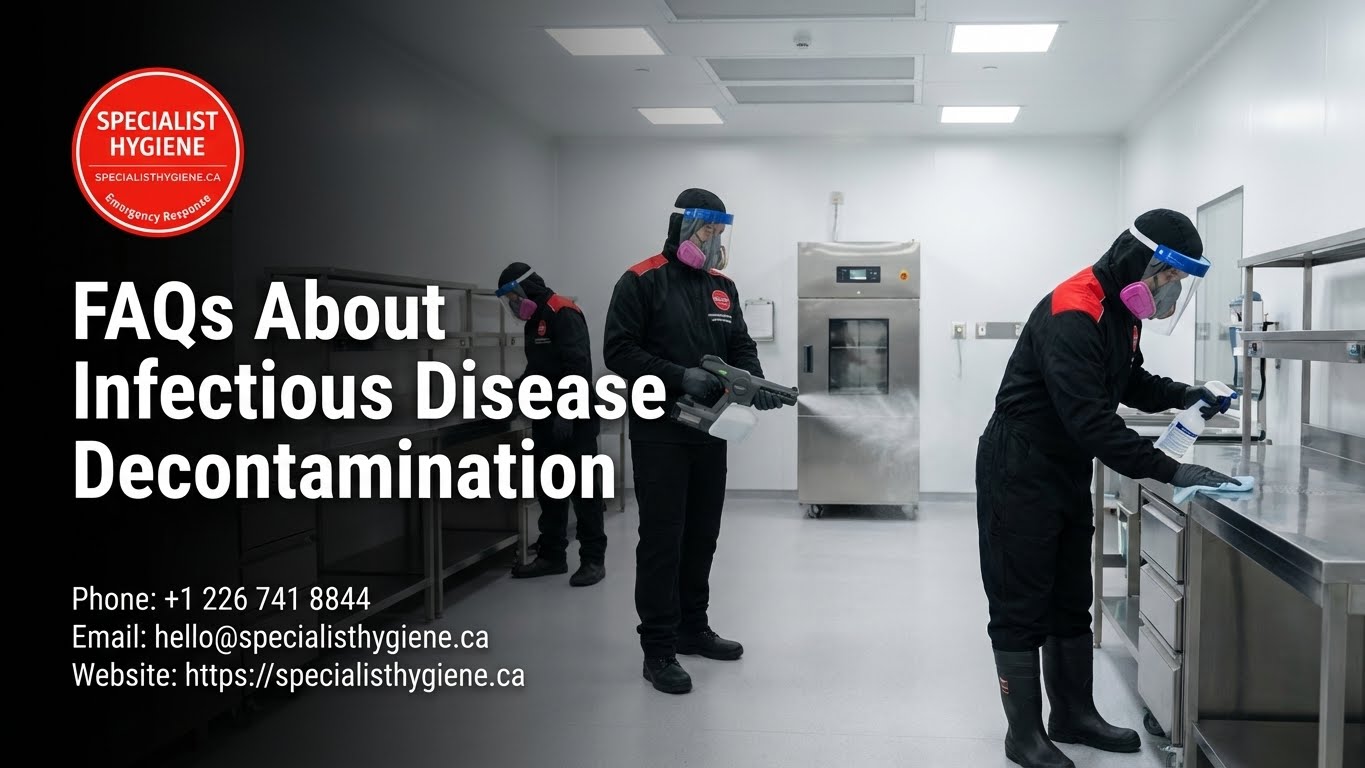
Trust is one of the most important factors when selecting a crime scene cleaning provider. Clients are often making decisions during emotionally difficult circumstances and need assurance that the company they choose is qualified, compliant, and professional.
Specialist Hygiene Services demonstrates trustworthiness through:
Certified biohazard remediation training
Adherence to Canadian health and safety regulations
Documented remediation procedures
Use of approved disinfectants and equipment
Transparent communication with clients
Experience in handling sensitive situations is essential for ensuring both technical accuracy and respectful service delivery.
E-E-A-T and Why It Matters in Biohazard Services
Google’s modern content standards emphasise Experience, Expertise, Authoritativeness, and Trustworthiness (E-E-A-T). These principles are particularly important for services that affect health and safety.
Crime scene cleaning falls into a category where inaccurate or low-quality information could cause harm. Providing detailed, accurate, and professional guidance helps users make informed decisions and ensures that the content meets high-quality standards.
Specialist Hygiene Services demonstrates E-E-A-T through:
Proven operational experience
Technical expertise in biohazard remediation
Compliance with national and provincial regulations
Clear, factual educational content
This supports both search visibility and public safety.
Crime Scene Cleaning as a Component of Community Health
Biohazard remediation is not only a private service; it contributes to broader community health.
Untreated crime scenes can result in:
Pathogen transmission
Pest infestations
Environmental contamination
Psychological distress in surrounding communities
Professional cleaning ensures that affected environments are restored safely, protecting neighbours, future occupants, and the public.
The Role of Rapid Response in Limiting Contamination
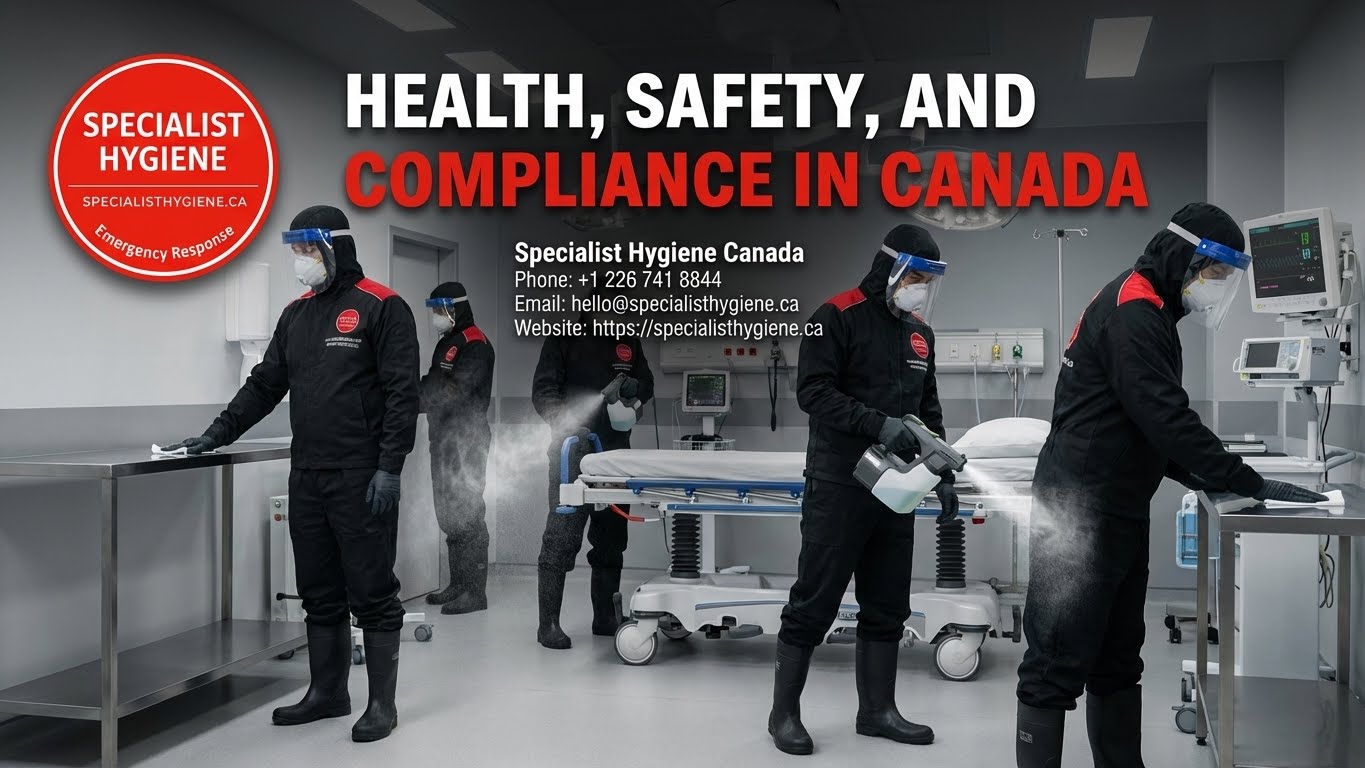
Time is a critical factor in biohazard remediation.
Rapid response:
Limits the spread of biological material
Reduces odour penetration into structures
Minimises structural damage
Lowers overall remediation costs
Specialist Hygiene Services’ 24/7 availability ensures that contamination is addressed promptly.
Future Trends in Crime Scene Cleaning in Canada
The field of biohazard remediation continues to evolve with advancements in technology and regulatory standards.
Emerging trends include:
Enhanced microbial detection tools
Improved air purification systems
Data-driven contamination mapping
Greater integration with public health planning
Specialist Hygiene Services remains committed to adopting new technologies and best practices to maintain high standards.
Training and Continuous Professional Development
Ongoing training ensures that technicians remain up to date with:
New disinfectant technologies
Updated safety regulations
Advanced remediation techniques
Trauma-informed service approaches
Continuous professional development is essential in a field where both health risks and regulatory requirements evolve.
Ethical Considerations in Crime Scene Cleaning
Ethics play a central role in biohazard remediation.
Key principles include:
Respect for the dignity of those affected
Protection of client confidentiality
Transparent pricing and procedures
Safe and lawful waste disposal
These principles guide every aspect of Specialist Hygiene’s operations.
Supporting Clients Through the Process
Clients often have questions about what to expect during and after remediation.
Specialist Hygiene Services provides guidance on:
The remediation timeline
Insurance processes
When the property will be safe to occupy
Next steps for restoration
Clear communication reduces uncertainty and helps clients feel supported.
The Importance of Documentation and Verification

Final documentation confirms that:
All contaminated materials were removed
Disinfection procedures were completed
Waste was disposed of legally
The property is safe for reoccupation
This documentation provides peace of mind and supports legal and insurance requirements.
Crime Scene Cleaning and Risk Management
For businesses and property managers, professional remediation is a key component of risk management.
It helps:
Demonstrate compliance with health and safety regulations
Reduce liability
Protect employees and tenants
Maintain operational continuity
This is particularly important in regulated industries.
Public Awareness and Education
Raising awareness about the importance of professional crime scene cleaning helps prevent unsafe practices.
Educational content ensures that:
Individuals do not attempt hazardous cleaning themselves
Property owners understand their responsibilities
Businesses recognise the importance of compliance
Providing accurate information supports safer outcomes.
Long-Term Impact of Professional Remediation
The benefits of professional crime scene cleaning extend beyond immediate decontamination.
They include:
Restored indoor air quality
Prevention of long-term structural damage
Protection of property value
Reduced health risks
This makes professional remediation an essential investment.
Why Specialist Hygiene Services Is a National Leader
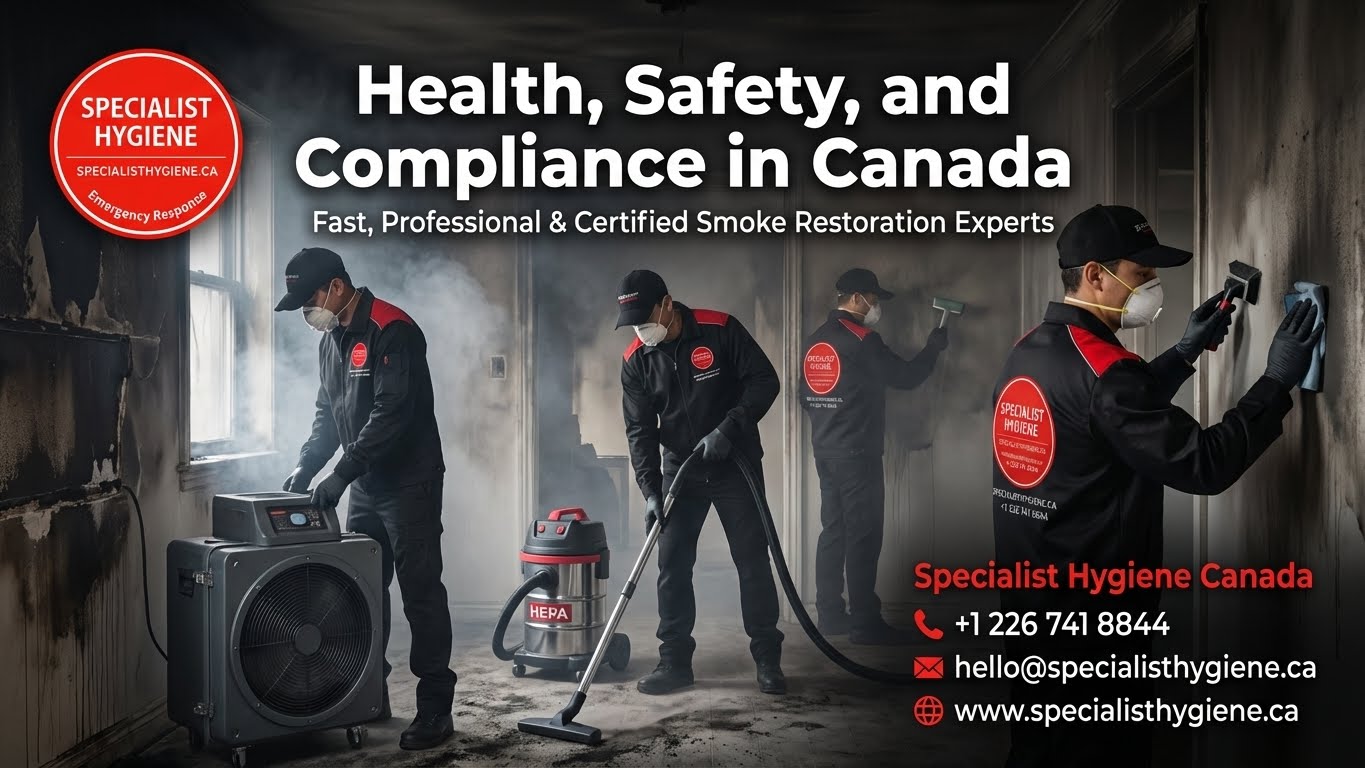
Specialist Hygiene Services is positioned as a national provider of crime scene cleaning due to:
Comprehensive geographic coverage
Certified technicians
Advanced disinfection methods
Compliance with Canadian regulations
Commitment to discretion and compassion
This combination of technical capability and client-focused service defines industry leadership.
Comprehensive National Service Availability
Across Canada, Specialist Hygiene Services provides consistent standards in:
Urban centres
Suburban communities
Rural regions
Remote northern areas
This ensures equitable access to professional biohazard remediation.
Final Summary: Crime Scene Cleaning in Canada
Crime scene cleaning is a specialised, regulated, and essential service that protects public health, restores safe environments, and supports individuals and communities during difficult times.
Professional remediation ensures:
Complete decontamination
Legal compliance
Safe waste disposal
Protection of property value
Emotional relief for those affected
Attempting to manage biohazard cleanup without trained professionals poses serious risks.
Specialist Hygiene Services: Canada’s #1 Crime Scene Cleaning Company
If you require professional crime scene cleaning services anywhere in Canada, Specialist Hygiene Services is available 24 hours a day, 7 days a week.
Contact:
Specialist Hygiene Services
Phone: +1 226 741 8844
Email: hello@specialisthygiene.ca
Our certified technicians provide rapid, discreet, and fully compliant biohazard remediation across Canada.
Crime Scene Cleaning Canada (Checklist: 2026 Edition)
1. Legal Clearance and Authority
Confirm scene release from:
Police service of jurisdiction
Coroner / Medical Examiner (if applicable)
Property owner or authorised representative
Document:
Case reference number
Date and time of clearance
Authorising officer or agency
Do not commence work without written or verbal clearance.
2. Initial Risk Assessment
Conduct a full site hazard assessment before entry:
Identify:
Blood and bodily fluid presence
Tissue or decomposition contamination
Chemical agents (fingerprint powder, tear gas, drug residues)
Sharps or weapons
Structural hazards (broken glass, unstable flooring)
Pest activity
Mould or sewage overlap
Assess:
Air quality risks
Ventilation status
Temperature and humidity (decomposition risk)
Electrical safety
Determine required PPE level.
Record findings in site log.
3. Scene Zoning and Containment
Establish controlled work zones:
Clean zone (PPE donning area)
Transition zone (equipment staging)
Hot zone (contaminated work area)
Install:
Biohazard barrier tape or sheeting
Negative air units with HEPA filtration (if airborne risk present)
Entry/exit control point
Prevent cross-contamination at all times.
4. Personal Protective Equipment (PPE)
Minimum PPE for biohazard scenes:
Full body protective suit (fluid resistant)
Nitrile gloves (double-glove protocol)
Cut-resistant inner gloves (if sharps risk)
Respiratory protection (fit-tested N95, P100, or half/full-face respirator as required)
Eye and face protection
Protective footwear or boot covers
PPE protocol:
Don in clean zone
Doff in controlled sequence
Dispose of single-use PPE as biohazard waste
5. Equipment Preparation
Prepare dedicated biohazard equipment:
EPA/Health Canada–approved hospital-grade disinfectant
Pump sprayers / electrostatic sprayers
Absorbent solidifiers
Enzymatic cleaners
HEPA vacuum (biohazard rated)
Ozone or hydroxyl generator (post-cleaning only)
Sharps container (CSA approved)
Biohazard waste bags (UN-rated)
Rigid transport containers
ATP testing device (if used)
Verify equipment decontamination status before use.
6. Documentation and Photography
Before remediation:
Photograph affected areas (for insurance and legal records)
Record contamination locations
Note porous vs non-porous materials
Log odour presence and severity
Maintain chain-of-custody awareness for items requested by client.
7. Removal of Sharps and Hazardous Objects
Using mechanical means (forceps/tongs):
Collect needles, blades, or sharp debris
Place immediately into approved sharps container
Never handle sharps by hand.
8. Gross Contamination Removal
Apply absorbent solidifier to:
Liquid blood
Bodily fluids
Remove bulk contamination using disposable tools.
Place waste into:
UN-rated biohazard bags
Rigid secondary containers
Seal and label according to TDG requirements.
9. Porous Material Assessment and Removal
Identify materials that cannot be safely disinfected:
Carpet and underlay
Upholstered furniture
Mattresses
Unsealed wood
Drywall (if penetration present)
Cut out affected structural materials with controlled removal.
Package as biohazard waste.
10. Non-Porous Surface Cleaning
Clean using two-step method:
Step 1: Physical cleaning with detergent solution
Step 2: Application of hospital-grade disinfectant
Ensure:
Correct dilution
Full surface coverage
Required dwell time per manufacturer instructions
Use electrostatic application where appropriate.
11. Deep Structural Decontamination
Where fluids have penetrated:
Treat subflooring
Clean structural framing
Apply enzymatic treatment if required
Repeat disinfection until no visible contamination remains.
12. Odour Source Identification
Locate odour reservoirs:
Subfloor cavities
Wall voids
HVAC systems
Porous furnishings
Remove contaminated sources before odour treatment.
Odour treatment must never precede source removal.
13. Airborne Contamination Control
If airborne risk present:
Operate negative air machines with HEPA filtration
Maintain air exchange during cleaning
Replace filters per contamination level
Avoid ozone use in occupied spaces.
14. Odour Neutralisation Phase
After full decontamination:
Select method based on occupancy status:
Unoccupied space:
Ozone treatment
Occupied or sensitive environment:
Hydroxyl generator
Monitor treatment duration and ventilation requirements.
15. Biohazard Waste Packaging
All waste must be:
Double-bagged in biohazard bags
Placed in rigid, leak-proof containers
Labelled with biohazard symbol
Documented for transport
Complete waste manifest if required by province.
16. Transport of Dangerous Goods (TDG) Compliance
Ensure:
Licensed carrier (if applicable)
Proper container classification
Documentation of origin, contents, and destination
Delivery to authorised biohazard disposal facility
Maintain disposal records.
17. Final Cleaning and Detailing
After primary remediation:
Wipe all adjacent surfaces
Clean high-touch points
HEPA vacuum surrounding areas
Ensure no visible residues remain.
18. Post-Remediation Verification
Conduct:
Visual inspection
Odour assessment
ATP testing (if used by company protocol)
Moisture check (if fluids involved)
Confirm environment is safe for reoccupation.
19. PPE Doffing and Technician Decontamination
Follow controlled doffing sequence:
Remove gross contamination from PPE
Remove outer gloves
Remove suit
Remove respirator last
Dispose of single-use PPE as biohazard waste.
Perform hand hygiene immediately.
20. Equipment Decontamination
Clean and disinfect all reusable tools:
Apply approved disinfectant
Observe dwell time
Air dry before storage
Prevent cross-contamination to next site.
21. Documentation and Reporting
Complete final report including:
Scope of work performed
Materials removed
Disinfection methods used
Waste disposal details
Clearance confirmation
Provide copy to client and retain per company policy.
22. Client Handover
Inform client:
Area is safe for reoccupation
Any structural repairs required
Ventilation recommendations
Insurance documentation provided
Answer questions with clear, factual guidance.
Optional Advanced 2026 Best Practise Additions:
Include where applicable:
Digital job logging with time stamps
GPS waste tracking
QR-coded waste containers
Photo verification of clearance stages
Trauma-informed client communication protocol
Mental health debrief for technicians
Prohibited Practises:
Do not:
Use household bleach as sole disinfectant
Mix chemicals without compatibility verification
Dispose of biohazard waste in municipal garbage
Use ozone before source removal
Work without proper PPE
Begin without scene clearance
Summary:
A compliant Canadian crime scene cleaning operation in 2026 must ensure:
Legal scene release
Full risk assessment
Proper PPE and containment
Removal of porous contaminated materials
Hospital-grade disinfection with dwell time
TDG-compliant waste transport
Odour source elimination
Final verification and documentation
This checklist reflects modern Canadian biohazard remediation standards and supports technician safety, legal compliance, and public health protection.
Specialist Hygiene Services: Our Coverage Across Canada

Canada’s geographic scale presents a unique challenge for specialist hygiene and biohazard remediation services. From major metropolitan centres to rural communities and remote northern regions, access to certified crime scene cleaning and biohazard decontamination must be reliable, compliant, and rapid.
Specialist Hygiene Services provides professional coverage across all provinces and territories, supporting residential, commercial, healthcare, public sector, and industrial environments with 24/7 response capability.
Our operational model is designed to ensure that whether an incident occurs in a major city, a mid-sized town, or a smaller rural community, certified technicians can be deployed with the equipment, training, and regulatory compliance required under Canadian health and safety standards.
National Coverage by Province and Territory
Ontario
Ontario represents the largest service region due to population density and geographic diversity. Coverage includes the Greater Toronto Area, Ottawa, Hamilton, and regional municipalities, as well as communities throughout Southwestern, Eastern, Central, and Northern Ontario.
Primary urban coverage includes Toronto, Ottawa, Mississauga, Brampton, Hamilton, London, Windsor, Kitchener, Waterloo, Cambridge, Guelph, Barrie, Kingston, Peterborough, St. Catharines, Niagara Falls, and Thunder Bay.
Regional service extends to communities such as Sudbury, Sault Ste. Marie, North Bay, Timmins, Belleville, Cornwall, Chatham, Sarnia, Woodstock, Stratford, Orillia, Owen Sound, and across rural townships and First Nations communities.
Quebec
In Quebec, Specialist Hygiene Services operates in both French and English, ensuring regulatory compliance and effective communication.
Coverage includes Montreal, Quebec City, Laval, Gatineau, Longueuil, Sherbrooke, Trois-Rivières, Saguenay, Lévis, Terrebonne, and Drummondville.
Service extends to regional centres and municipalities throughout the Laurentians, Eastern Townships, Outaouais, Abitibi-Témiscamingue, Bas-Saint-Laurent, and Gaspésie regions.
British Columbia
British Columbia coverage includes Metro Vancouver, Vancouver Island, and the Interior.
Primary cities include Vancouver, Surrey, Burnaby, Richmond, Coquitlam, Langley, Delta, Victoria, Kelowna, Kamloops, Nanaimo, Prince George, and Abbotsford.
Regional service extends throughout the Fraser Valley, Okanagan, Kootenays, northern communities, and coastal municipalities.
Alberta
Alberta operations focus on Calgary and Edmonton as major response hubs, with full coverage extending to Red Deer, Lethbridge, Medicine Hat, Grande Prairie, Fort McMurray, Airdrie, and surrounding municipalities.
Service is available across central and northern Alberta, including rural counties and resource-based communities.
Saskatchewan
Coverage includes Saskatoon, Regina, Prince Albert, Moose Jaw, Yorkton, Swift Current, North Battleford, and surrounding towns and rural municipalities.
Specialist Hygiene supports both urban and agricultural regions across the province.
Manitoba
Primary coverage includes Winnipeg and Brandon, with service extending to Steinbach, Thompson, Portage la Prairie, Selkirk, Dauphin, and communities throughout southern and northern Manitoba.
Nova Scotia
In Nova Scotia, service centres include Halifax, Dartmouth, Sydney, Truro, New Glasgow, Glace Bay, and Yarmouth, with coverage across Cape Breton and rural coastal communities.
New Brunswick
Coverage includes Moncton, Fredericton, Saint John, Miramichi, Edmundston, Bathurst, and surrounding municipalities across the province.
Prince Edward Island
Service is available in Charlottetown, Summerside, Stratford, Cornwall, and across rural communities throughout the island.
Newfoundland and Labrador
Coverage includes St. John’s, Mount Pearl, Corner Brook, Grand Falls-Windsor, Gander, Labrador City, and regional communities throughout the province.
Yukon
In Yukon, primary coverage is centred in Whitehorse with deployment capability to surrounding communities.
Northwest Territories
Service is available in Yellowknife and regional communities across the territory, supporting both residential and government facilities.
Nunavut
Coverage includes Iqaluit and remote communities, with logistical planning to ensure compliant biohazard response in northern conditions.
Service Availability in Cities, Towns, and Rural Communities
Specialist Hygiene Services does not limit operations to major metropolitan areas. Our deployment model ensures support for:
Small towns
Rural municipalities
Indigenous communities
Remote industrial sites
Transportation corridors
Resource sector locations
This ensures equitable access to professional biohazard remediation across Canada.
Urban, Suburban, and Rural Response Strategy
Our national coverage model is based on:
Regional response hubs
Mobile biohazard units
Coordinated logistics planning
24/7 dispatch capability
This allows rapid response in:
High-density urban centres
Suburban residential areas
Rural and remote communities
Industries Supported Across Canada
Specialist Hygiene Services supports:
Residential properties
Multi-unit housing
Commercial buildings
Hotels and hospitality
Healthcare facilities
Educational institutions
Transportation systems
Government and public sector sites
Our coverage ensures consistent regulatory compliance and safety standards nationwide.
Supporting Remote and Northern Communities
Access to certified biohazard remediation in northern and remote communities has historically been limited.
Specialist Hygiene Services is committed to expanding coverage through:
Strategic deployment planning
Regional logistics coordination
Compliance with northern environmental regulations
This ensures that all Canadians have access to safe and professional services.
National Compliance and Standards
Across all provinces and territories, Specialist Hygiene Services operates in accordance with:
Occupational health and safety legislation
Transport of Dangerous Goods regulations
Environmental protection laws
Provincial biohazard waste requirements
This ensures consistent, lawful service delivery across Canada.
24/7 National Dispatch
Our national dispatch system ensures that service requests from any region are:
Logged and assessed immediately
Routed to the nearest available response unit
Scheduled for rapid deployment
This provides consistent support regardless of location.
Contact Specialist Hygiene Services
For crime scene cleaning and biohazard remediation anywhere in Canada:
Specialist Hygiene Services
Phone: +1 226 741 8844
Email: hello@specialisthygiene.ca
Available 24 hours a day, 7 days a week.
Crime Scene Cleaning Prices in Canada (2026): Residential, Commercial and Industrial Cost Guide
Crime scene cleaning is one of the most specialised forms of biohazard remediation in Canada. It involves certified technicians, regulated waste disposal, advanced disinfection methods, and strict compliance with federal and provincial health and safety laws.
Because of the complexity and risk involved, pricing is not structured in the same way as standard cleaning services. Instead, costs are based on contamination level, material removal, labour time, equipment requirements, and regulatory disposal procedures.
This guide explains realistic 2026 pricing considerations for residential, commercial, and industrial crime scene cleaning across Canada, helping property owners, businesses, insurers, and facility managers understand what to expect.
Why Crime Scene Cleaning Costs Vary
Crime scene remediation is not a fixed-price service. Each situation is unique and requires a site-specific assessment.
Key pricing factors include:
Type of incident and level of biohazard
Size of the affected area
Porous material removal requirements
Structural involvement (subfloors, drywall, framing)
Duration of work
Number of technicians required
Air purification and odour treatment
Biohazard waste transport and disposal
Location and logistical complexity
A small contained incident will cost significantly less than a multi-room or structurally affected environment.
Residential Crime Scene Cleaning Costs in Canada
Residential properties represent the most common type of crime scene remediation.
Typical scenarios include:
Homicide or violent incidents
Suicide cleanup
Unattended death with police investigation
Assault-related contamination
Cost Range (2026)
In Canada, residential crime scene cleaning typically ranges from:
Approximately $3,000 to $25,000+
Lower range cases involve:
Single-room contamination
Minimal porous material removal
Short labour duration
Higher range cases involve:
Decomposition
Multiple affected rooms
Structural contamination
Extensive odour treatment
Biohazard waste volume
Large or complex residential projects can exceed this range where structural remediation is required.
Commercial Crime Scene Cleaning Costs
Commercial environments require additional considerations, including workplace safety regulations, business interruption, and public access concerns.
Common commercial scenarios include:
Incidents in offices or retail spaces
Hotel or hospitality environments
Public facilities
Healthcare settings
Cost Range (2026)
Commercial crime scene cleaning in Canada generally ranges from:
Approximately $4,000 to $40,000+
Costs are influenced by:
Size of the facility
Requirement for after-hours work
Need for rapid reopening
Containment in shared environments
Documentation for regulatory compliance
Multi-unit buildings and high-traffic areas often require additional containment and air filtration measures.
Industrial Crime Scene Cleaning Costs
Industrial sites present unique challenges due to:
Large floor areas
Complex machinery
Hazardous materials overlap
Confined spaces
Occupational safety requirements
Industrial incidents may occur in:
Warehouses
Manufacturing facilities
Construction sites
Resource sector operations
Cost Range (2026)
Industrial crime scene remediation typically ranges from:
Approximately $7,000 to $75,000+
Higher costs reflect:
Larger teams
Specialised equipment
Extended labour hours
Complex decontamination procedures
Safety planning and permits
Cost Breakdown: What You Are Paying For
Labour
Certified biohazard technicians are required to:
Assess contamination
Remove hazardous materials
Perform deep disinfection
Package and transport waste
Labour is typically the largest cost component.
Personal Protective Equipment
PPE includes:
Protective suits
Respirators
Gloves
Eye protection
Single-use PPE must be disposed of as biohazard waste.
Disinfectants and Chemicals
Only hospital-grade, Health Canada–approved disinfectants are used, with proper dwell times for effectiveness.
Equipment
Specialised equipment may include:
HEPA filtration units
Negative air machines
Electrostatic sprayers
Ozone or hydroxyl generators
Waste Disposal
Biohazard waste must be:
Packaged in UN-rated containers
Transported under TDG regulations
Disposed of at licensed facilities
Disposal costs vary by volume and province.
Insurance Coverage and Financial Considerations
Many homeowner, landlord, and commercial property insurance policies may cover crime scene cleaning under:
Vandalism
Criminal activity
Sudden damage
Specialist Hygiene Services provides:
Detailed documentation
Itemised invoices
Support for insurance adjusters
Coverage depends on individual policy terms.
Factors That Increase Costs
Costs may be higher where:
Decomposition has occurred
Fluids have penetrated structural materials
Multiple rooms are affected
HVAC systems require decontamination
Remote locations require specialised logistics
Night or emergency response is required
Cost Control Through Rapid Response
Prompt professional intervention can significantly reduce total costs by:
Preventing contamination spread
Reducing structural damage
Minimising odour penetration
Shortening labour time
Delays often increase remediation complexity and expense.
Pricing Transparency and Site Assessments
Because each situation is unique, accurate pricing requires an on-site or detailed remote assessment.
A professional quote will consider:
Scope of contamination
Materials affected
Required remediation methods
Waste disposal volume
Safety requirements
Flat pricing without assessment is not appropriate for biohazard work.
Residential vs Commercial vs Industrial Cost Comparison
Residential properties generally involve smaller areas but may include structural remediation.
Commercial properties require regulatory documentation and rapid reopening strategies.
Industrial environments involve larger teams, specialised equipment, and complex safety planning.
This explains the progressive increase in cost ranges.
Value of Professional Crime Scene Cleaning
While the cost may appear significant, professional remediation provides:
Legal compliance
Health protection
Property value preservation
Insurance support
Emotional relief for occupants
Improper cleaning can lead to long-term health risks and higher future costs.
Choosing a Qualified Crime Scene Cleaning Provider
When evaluating providers, ensure they offer:
Certified biohazard technicians
Compliance with Canadian regulations
Transparent assessment process
Proper waste disposal procedures
Documentation for insurance and legal purposes
Avoid companies that offer unrealistic flat rates without inspection.
Specialist Hygiene Services: Transparent Pricing and Professional Service
Specialist Hygiene Services provides:
Detailed site assessments
Clear scope of work
Transparent pricing
Full regulatory compliance
24/7 emergency response across Canada
Our goal is to deliver safe, lawful, and compassionate remediation.
Contact Specialist Hygiene Services
For a professional assessment of crime scene cleaning costs in Canada:
Why Specialist Hygiene Services Is Your Best Choice for Crime Scene Cleaning Services in Canada
Crime scene cleaning is one of the most sensitive and technically demanding forms of biohazard remediation. It requires more than standard cleaning knowledge — it demands certified training, strict regulatory compliance, advanced equipment, and a compassionate approach to people experiencing trauma.
Choosing the right provider is essential for protecting health, meeting legal obligations, and restoring a property safely and respectfully.
Specialist Hygiene Services delivers professional crime scene cleaning across Canada with a focus on safety, discretion, and compliance with national and provincial standards.
Certified Biohazard Expertise
Crime scene remediation involves exposure to bloodborne pathogens, biological contaminants, and sometimes chemical residues. Specialist Hygiene Services uses trained biohazard technicians who follow recognised remediation protocols, including:
Risk assessment and controlled work zones
Use of appropriate personal protective equipment
Removal of porous contaminated materials
Hospital-grade disinfection with correct dwell times
Safe packaging and regulated disposal of biohazard waste
This ensures that properties are restored to a safe and habitable condition.
Full Compliance with Canadian Regulations
Biohazard remediation in Canada must comply with multiple regulatory frameworks, including:
Occupational health and safety legislation
Provincial biohazard handling requirements
Transport of Dangerous Goods regulations
Environmental protection laws
Specialist Hygiene Services follows these requirements in every province and territory, ensuring lawful waste transport, proper documentation, and safe remediation practices.
This protects property owners, businesses, and insurers from legal and environmental liability.
National Coverage Across Canada
Specialist Hygiene Services provides crime scene cleaning in:
Major metropolitan areas
Suburban communities
Rural towns
Remote northern regions
This national coverage ensures that professional biohazard remediation is available wherever an incident occurs, not just in large cities.
Rapid 24/7 Emergency Response
Crime scenes require prompt attention to:
Limit contamination spread
Reduce structural damage
Minimise odour penetration
Protect public health
Specialist Hygiene Services operates 24 hours a day, 7 days a week, allowing for immediate deployment when clearance is granted by authorities.
Discreet and Confidential Service
Privacy is essential in crime scene situations. Specialist Hygiene Services maintains strict confidentiality through:
Discreet communication
Controlled site access
Professional conduct at all times
This approach respects the dignity of families, employees, tenants, and communities.
Advanced Decontamination Methods
Effective crime scene cleaning requires more than surface sanitation. Specialist Hygiene Services uses:
Health Canada–approved hospital-grade disinfectants
HEPA air filtration systems
Electrostatic application technology
Odour neutralisation through ozone or hydroxyl treatment where appropriate
These methods eliminate pathogens at a microscopic level and restore safe indoor air quality.
Support for Residential, Commercial, and Industrial Clients
Specialist Hygiene Services works with:
Homeowners and families
Landlords and property managers
Businesses and employers
Healthcare facilities
Educational institutions
Government and public sector organisations
Each environment requires tailored remediation strategies to meet regulatory and operational requirements.
Assistance with Insurance Documentation
Crime scene cleaning is often covered under property insurance policies related to criminal activity or sudden damage.
Specialist Hygiene Services provides:
Detailed scope of work
Photographic documentation
Itemised invoices
Waste disposal records
This supports efficient insurance claims and reduces administrative stress for clients.
Trauma-Informed Approach
Crime scene remediation is not only technical — it is emotional. Clients may be dealing with grief, shock, or distress.
Specialist Hygiene Services takes a trauma-informed approach by:
Communicating clearly and respectfully
Minimising exposure to the affected area
Providing guidance throughout the process
This allows families and occupants to focus on recovery rather than hazardous cleanup.
Health and Safety Focus
Protecting both technicians and occupants is a top priority.
Strict safety protocols include:
Controlled entry and exit procedures
Decontamination of tools and equipment
Proper PPE use and disposal
Air quality management
These measures prevent cross-contamination and ensure safe remediation.
Transparent Assessment Process
Because every crime scene is different, Specialist Hygiene Services provides site-specific assessments rather than unrealistic flat pricing.
Clients receive:
Clear explanation of required work
Realistic timelines
Detailed cost breakdowns
This transparency supports informed decision-making.
Protection of Property Value
Untreated biohazard contamination can cause:
Structural damage
Persistent odours
Health risks
Reduced property value
Professional remediation restores the property to a safe condition and provides documentation for real estate, tenancy, and insurance purposes.
Commitment to Quality and Professional Standards
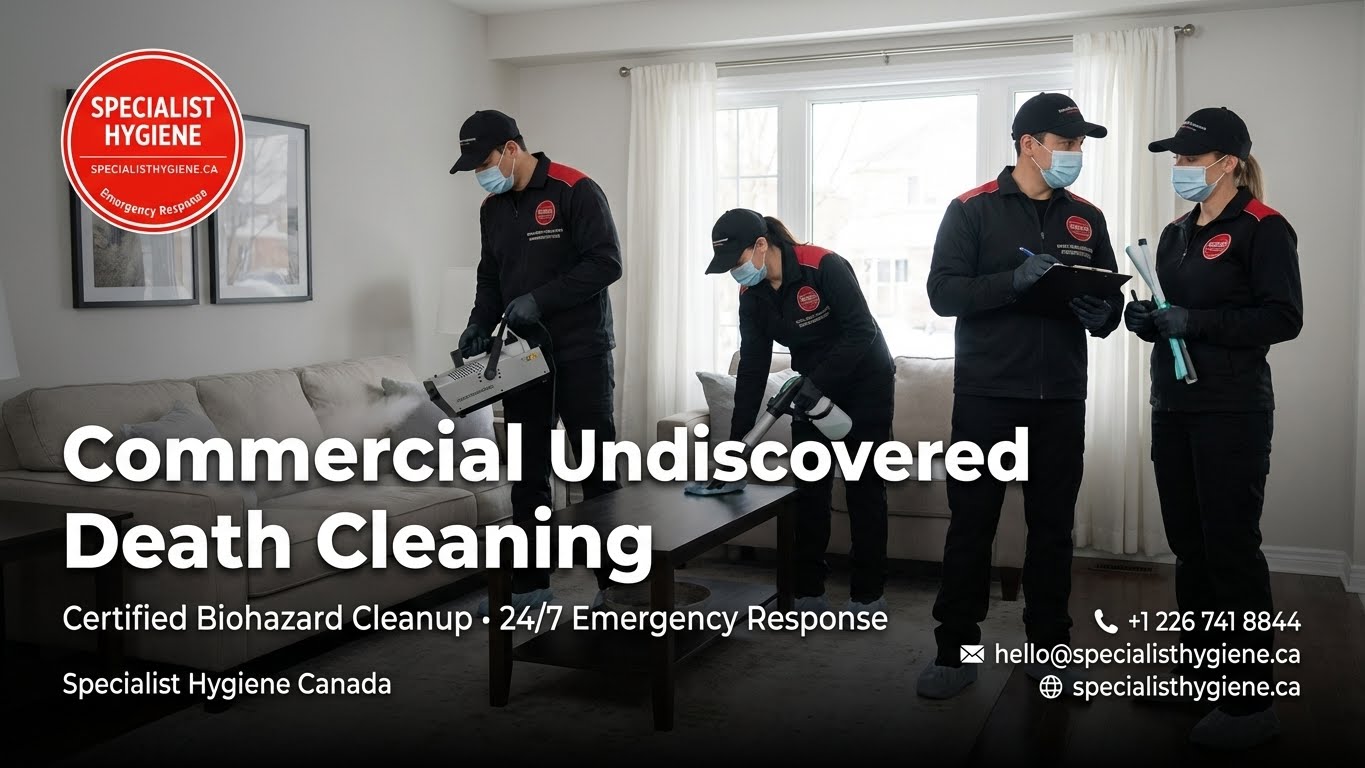
Specialist Hygiene Services follows recognised best practices in biohazard remediation, including:
Continuous technician training
Use of certified disinfectants
Compliance with regulatory frameworks
Quality assurance inspections
This ensures consistent, high-quality outcomes across Canada.
A Trusted Partner During Difficult Situations
Crime scene cleaning is often required during the most challenging moments in people’s lives. A professional, respectful, and compliant service makes a significant difference.
Specialist Hygiene Services provides:
Technical expertise
Legal compliance
Compassionate support
National coverage
24/7 availability
This combination ensures safe, lawful, and dignified remediation.
Contact Specialist Hygiene Services
For professional crime scene cleaning services anywhere in Canada:
Specialist Hygiene Services
Phone: +1 226 741 8844
Email: hello@specialisthygiene.ca
Frequently Asked Questions
What is crime scene cleaning?
Crime scene cleaning is a specialised biohazard remediation process that involves the safe removal, disinfection, and disposal of biological contaminants such as blood, bodily fluids, and tissue following a criminal or traumatic incident. It also includes odour neutralisation, structural material removal where required, and restoration of the property to a safe and habitable condition.
Who is responsible for cleaning a crime scene in Canada?
Once law enforcement and forensic investigators have completed their work, the responsibility for cleaning the property typically falls to the property owner, landlord, business operator, or estate representative. Police and emergency services do not perform biohazard cleanup.
Is crime scene cleaning covered by insurance?
In many cases, homeowner, landlord, and commercial property insurance policies may cover crime scene cleaning under sections related to criminal activity or sudden damage. Coverage varies by policy. A professional remediation company can provide documentation to support insurance claims.
How much does crime scene cleaning cost in Canada?
Costs vary depending on the level of contamination, size of the affected area, materials that must be removed, and the time required. Residential projects may range from several thousand dollars for small incidents to significantly higher amounts for complex structural remediation. Commercial and industrial projects may involve larger teams and specialised equipment, increasing costs.
Why can’t I clean a crime scene myself?
Crime scenes often contain bloodborne pathogens and hazardous materials that pose serious health risks. Improper cleaning can lead to disease exposure, cross-contamination, and legal issues related to biohazard waste disposal. Professional technicians use specialised equipment, protective gear, and regulated disposal methods to ensure safety and compliance.
What types of incidents require crime scene cleaning?
Crime scene cleaning may be required after:
Homicides
Suicides
Violent assaults
Unattended deaths with investigation
Accidents involving significant biological contamination
Drug-related incidents
Police operations involving chemical agents
Each situation requires a tailored remediation approach.
How quickly can crime scene cleaning begin?
Cleaning can begin once the scene has been formally released by law enforcement or the appropriate authority. Professional companies operate 24 hours a day and can deploy technicians promptly after clearance.
How long does crime scene cleaning take?
The time required depends on the size and complexity of the scene. Small contained areas may be completed within several hours, while larger or structurally affected environments may require multiple days for full remediation and odour treatment.
What happens to contaminated materials?
Porous materials that cannot be safely disinfected, such as carpets, drywall, and upholstered furniture, are removed, packaged in approved biohazard containers, and transported to licensed disposal facilities in accordance with Canadian regulations.
Are crime scene cleaners certified?
Professional crime scene cleaning technicians receive training in biohazard remediation, bloodborne pathogen handling, personal protective equipment use, and regulated waste disposal. They also follow occupational health and safety requirements.
Is crime scene cleaning safe for occupants after completion?
Yes. Professional remediation includes disinfection, odour neutralisation, and verification procedures to ensure the environment is safe for reoccupation. Documentation is typically provided confirming completion.
Will there be any visible signs of the incident after cleaning?
The goal of professional remediation is to restore the area to a neutral, safe condition. Contaminated materials are removed and surfaces are disinfected. In cases where structural materials are removed, standard repair work may be required afterward.
How is odour removed after a crime scene?
Odour is eliminated by removing the biological source and using specialised treatments such as ozone or hydroxyl generators, along with enzymatic cleaning. This process neutralises odour molecules rather than masking them.
Is crime scene cleaning confidential?
Professional companies operate with strict confidentiality. Work is conducted discreetly, and client information is protected.
Do crime scene cleaners work with law enforcement?
Cleaning begins only after law enforcement has completed its investigation and released the scene. Technicians are trained to respect legal boundaries and avoid disturbing potential evidence.
Can crime scene cleaning be performed in commercial buildings?
Yes. Professional biohazard remediation is commonly required in offices, retail spaces, hotels, healthcare facilities, and public buildings. Work is often scheduled to minimise disruption to operations.
What about multi-unit residential buildings?
In apartments and condominiums, containment measures are used to prevent cross-contamination to neighbouring units and shared ventilation systems.
Are chemical residues from forensic investigations removed?
Yes. Fingerprint powders, tear gas residues, and other forensic chemicals can be safely removed using specialised cleaning methods.
Do you provide documentation for insurance and legal purposes?
Professional remediation includes detailed documentation of the work performed, materials removed, and waste disposal. This supports insurance claims and regulatory compliance.
Is biohazard waste disposed of legally?
All biohazard waste must be transported under Transport of Dangerous Goods regulations and disposed of at licensed facilities. Professional companies follow these legal requirements.
Can crime scene cleaning help protect property value?
Yes. Proper remediation removes health hazards, prevents long-term structural damage, and provides documentation that the property has been restored to a safe condition.
Do you serve rural and remote areas in Canada?
National service providers can deploy technicians to urban, suburban, rural, and remote communities, ensuring access to professional biohazard remediation across Canada.
What personal protective equipment do technicians use?
Technicians wear full protective suits, respirators, gloves, eye protection, and other specialised equipment to prevent exposure to hazardous materials.
What is the difference between standard cleaning and crime scene cleaning?
Standard cleaning addresses visible dirt and surface sanitation. Crime scene cleaning involves biohazard removal, regulated waste disposal, structural remediation, and infection control procedures.
What should I do if a crime occurs on my property?
Wait for law enforcement to release the scene, avoid entering contaminated areas, and contact a professional crime scene cleaning service to assess and remediate the property safely.